
HOME > Post-Expo Interview Series with Consulates-General and Consulates in Kansai > KEREKES Andras, Head of Consulate, Consulate of Hungary in Osaka
KEREKES Andras, Head of Consulate, Consulate of Hungary in Osaka
Last update:February 19,2026
A New Presence in Osaka—Hungary’s Consulate Envisions the Future of Business Collaboration in Kansai
One Million Visitors Experienced Hungary
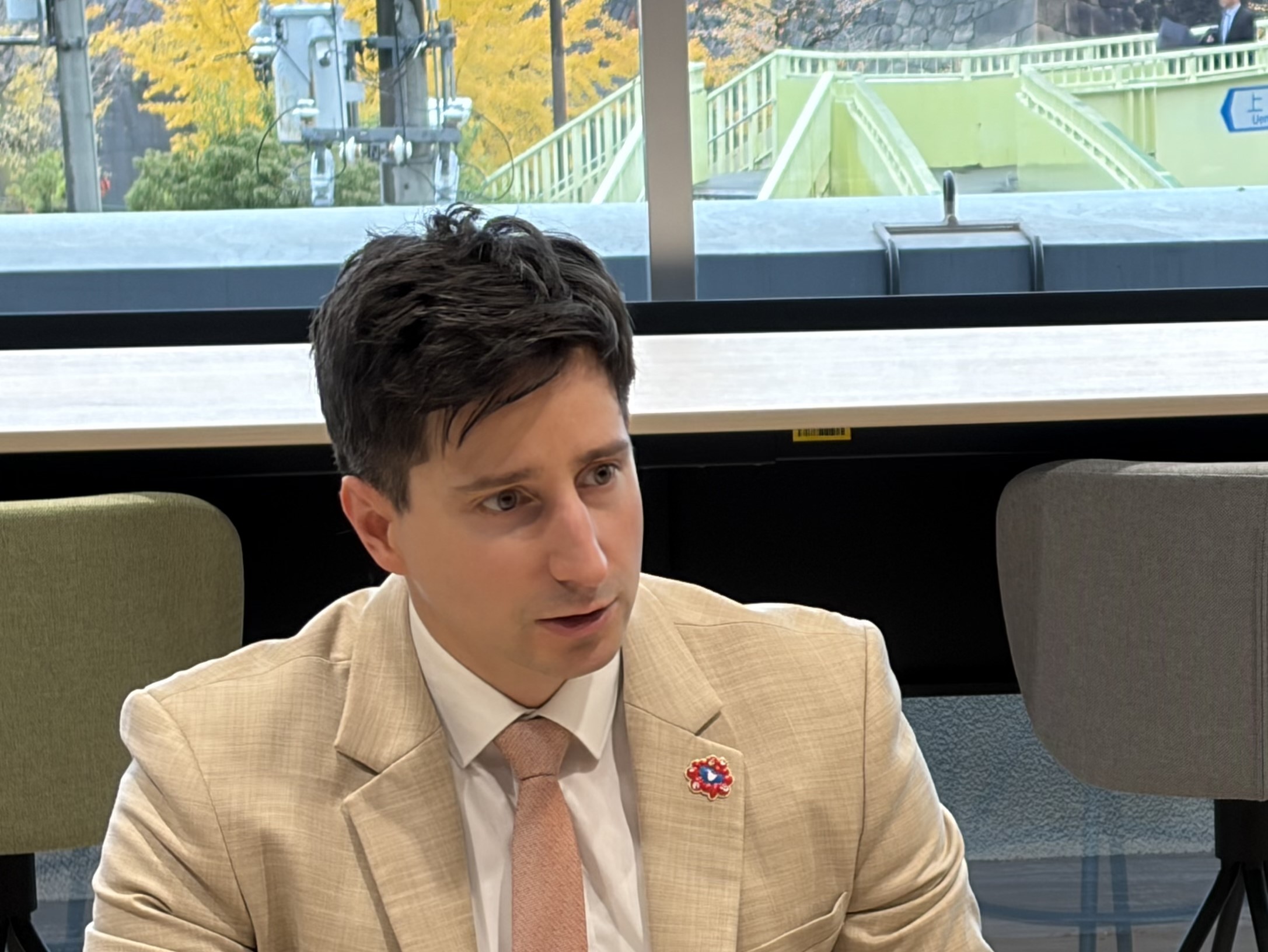
※This article is based on the interview conducted on November, 2025.
※The photographs used in this article were provided by the Consulate of Hungary in Osaka.
One Million Visitors Experienced Hungary
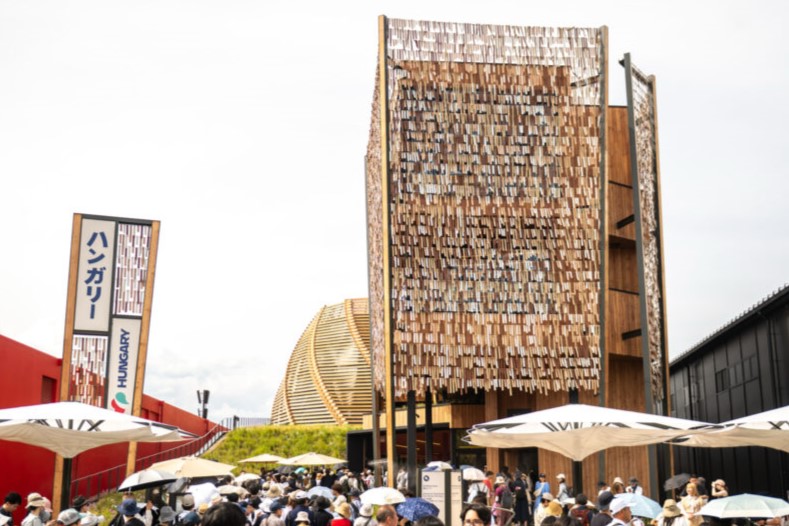
Q: What was the most significant achievement during the Expo?
At Expo 2025 Osaka, Kansai, Japan, the Hungary Pavilion welcomed approximately
one million visitors. For a country with a population of around ten million,
this represented a notable achievement. Attendance comparable to that of
globally renowned countries underscored Hungary’s strong presence on the
international stage. Beyond the pavilion exhibition, Hungary actively hosted
a variety of seminars and concerts, an approach that was highly regarded.
In its seminar series, Hungary addressed themes closely connected to
everyday life while requiring specialized expertise, such as smart cities,
financial education, and taxation. These topics represented new challenges
and broadened the pavilion’s engagement beyond cultural presentation alone.
In this respect, the pavilion can be considered among the more active participants
in terms of the number and scope of events.
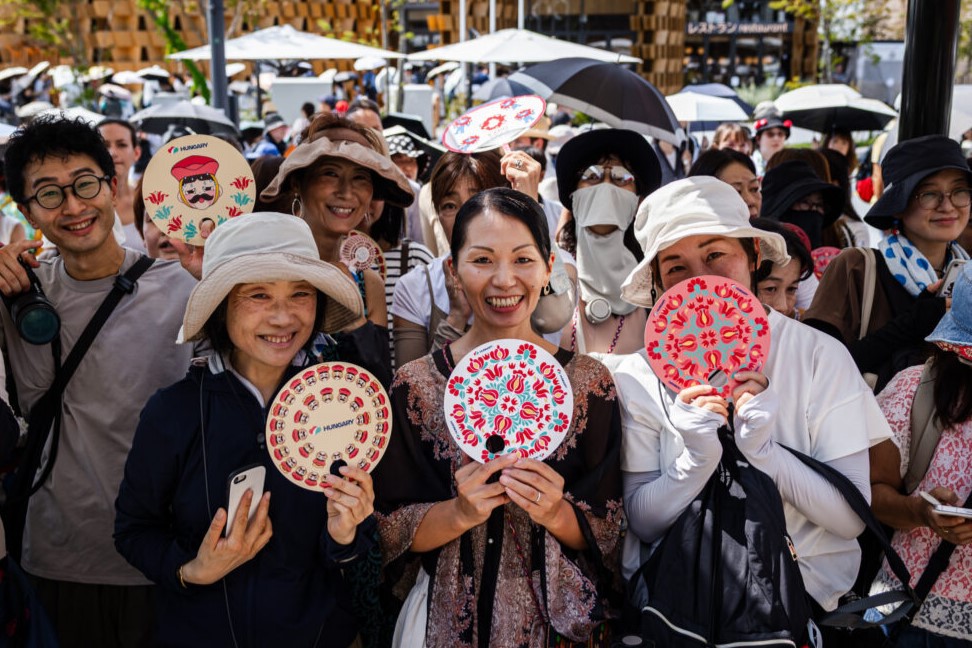
A central objective was to create experiences that would resonate emotionally with visitors.
On Hungary’s National Day, the performance by the Hungarian National Dance Ensemble transformed the atmosphere of the venue,
with violin music and traditional instruments filling the space.
Evening shows and concerts made a particularly strong impression, even on the organizers themselves.
Conveying an emotion that visitors can take home, rather than simply presenting information,
was believed to leave a deeper and more lasting impact, and many later described their experience as unforgettable.
Japan’s Natural Resource of “Trust”: Behind the Pavilion’s Success
Q: What preparation and background made these results possible?
Behind the scenes, extensive preparation underpinned the pavilion’s success. One of the most demanding tasks was securing a construction contractor under tight pre-opening timelines.
The team approached approximately fifty construction companies before selecting a partner. Rising costs required design adjustments,
but by maintaining staff on the ground and building relationships of trust with stakeholders, these challenges were overcome. In addressing construction-related issues,
swift and practical support from METI (the Ministry of Economy, Trade and Industry) and JETRO (the Japan External Trade Organization)—from on-site coordination to sustained follow-up—was especially memorable.
These experiences reinforced the importance of close cooperation and responsive public support.
It was also strongly felt that Japanese society rests on person-to-person
relationships, often captured in the idea that Japan’s greatest natural
resource is “trust”. This trust is not derived from physical resources
but built through direct human interaction. Prioritizing face-to-face communication
proved essential to earning confidence and advancing the project.
Regulatory challenges also required careful management. For example, imported products such as wine had to undergo retesting to meet Japanese safety standards, and aligning these procedures with delivery schedules demanded close coordination. As a result, the process was understood as a demonstration of responsible administration by the Japanese authorities, and it also reinforced a broader lesson for entering Japan’s market: sustained success depends on a strong focus on quality.
Opening, Not Closing, Doors: Hungary’s Next Chapter in Kansai
Q:What initiatives are planned to further international exchange and business in Kansai?
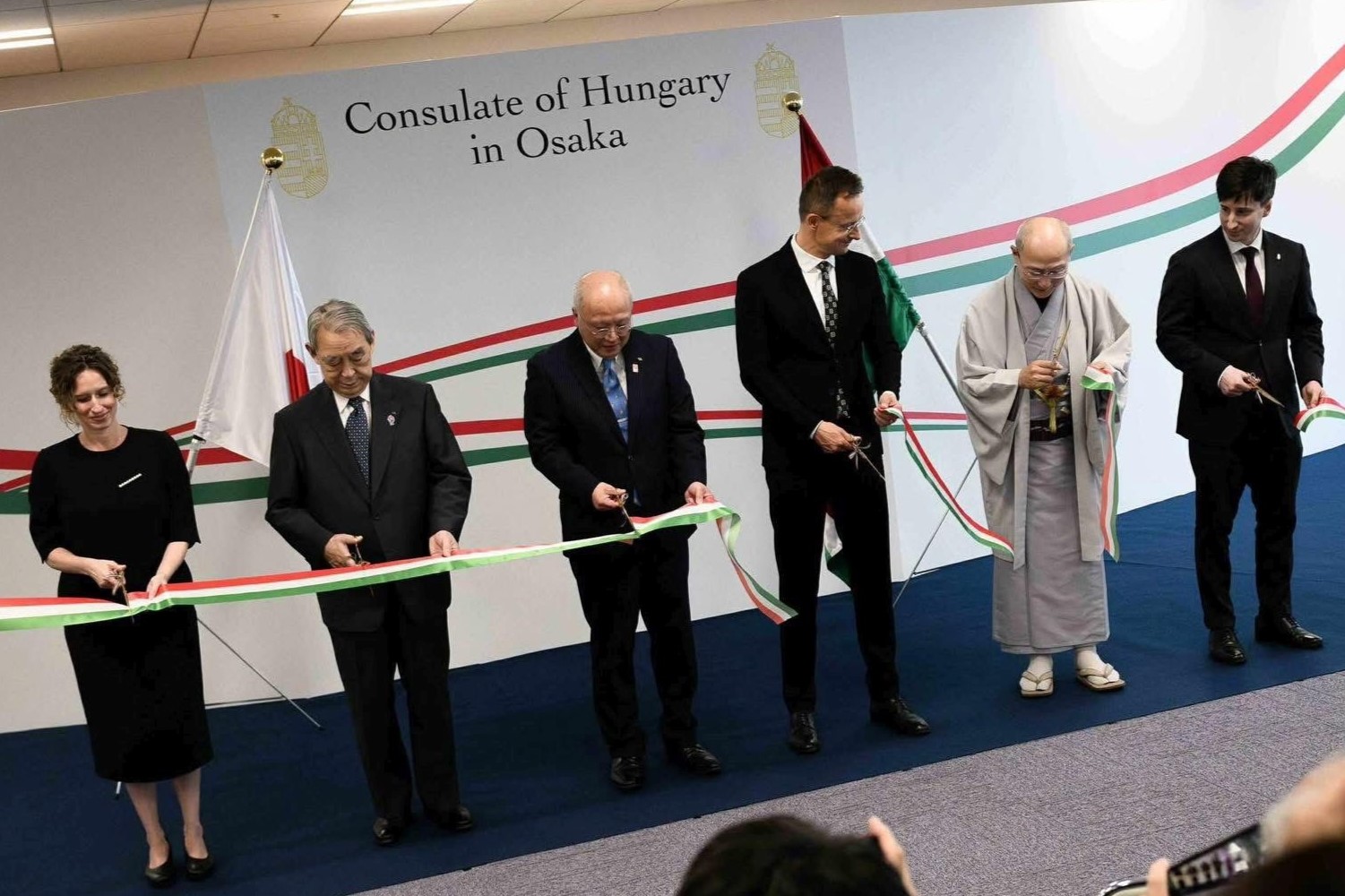
Following the Expo, Hungary is accelerating its engagement in Kansai.
By leveraging the new Consulate’s event space, plans are underway to host
business exchanges and thematic programs across a wide range of fields—including
food, science and technology, and education. The team is also visiting
research and industrial facilities, including a Kubota research center
in Sakai and green-related facilities in Kobe. In connection with FOODEX
JAPAN next year, a Kansai program is being prepared to explore innovation
in agriculture, food, and technology.
At the Nakanoshima research hub, the team had the opportunity to learn about world-leading iPS cell expertise and is discussing the possibility of joint research. In the field of hydrogen, Hungary’s academic community is likewise working with Japanese stakeholders to develop collaborative projects.
Education forms another pillar. Ties are being strengthened with Osaka
University School of Foreign Studies, which offers Japan’s only Hungarian-language
major, with the aim of expanding awareness of Hungary—starting with students.
Building on the strong response to Hungarian cuisine at the Expo, plans
are also underway to open a venue serving Hungarian food. Geographically,
particular interest is also being directed toward Kobe, known for robust
startup support and a long tradition of international collaboration.
Our guiding philosophy is simple: “Even when others close doors, ours remain
open.” Building on the networks and trust formed through the Expo, Hungary
is taking its next step in Kansai with confidence.
Contact Information
Ministry of Economy, Trade and Industry, Kansai Bureau
International Affairs Division
Address: 1-5-44 Otemae, Chuo-ku, Osaka, 540-8535
Phone:+81-6-6966-6031
E-Mail:bzl-kin-kokusaiinfo@meti.go.jp
 PAGE TOP