
HOME >Post-Expo Interview Series with Consulates-General and Consulates in Kansai >Michael Richard BLYTH, Consul General of British Consulate-General in Osaka
Michael Richard BLYTH, Consul General of British Consulate-General in Osaka
Last update:March 2,2026
Soft Power Driving Growth and Connection — Business Links Forged by the UK Pavilion

※This article is based on the interview conducted on November, 2025.
※The photographs used in this article were provided by the British Consulate‑General in Osaka.
Expo’s Power at Work — The Greater Manchester–Osaka Partnership
Q: What was the most significant achievement during the Expo?
We are particularly proud that we were able to use the UK Pavilion not merely as a showcase, but as a platform to promote concrete business links. The UK Pavilion welcomed approximately 1.24 million visitors, hosted delegations that brought over 200 UK companies, and convened more than 70 events attended by in total over 700 Japanese businesses. In parallel with onsite programming, we collaborated with partners such as the Osaka Chamber of Commerce and Industry to arrange individual B2B meetings with Kansai firms.
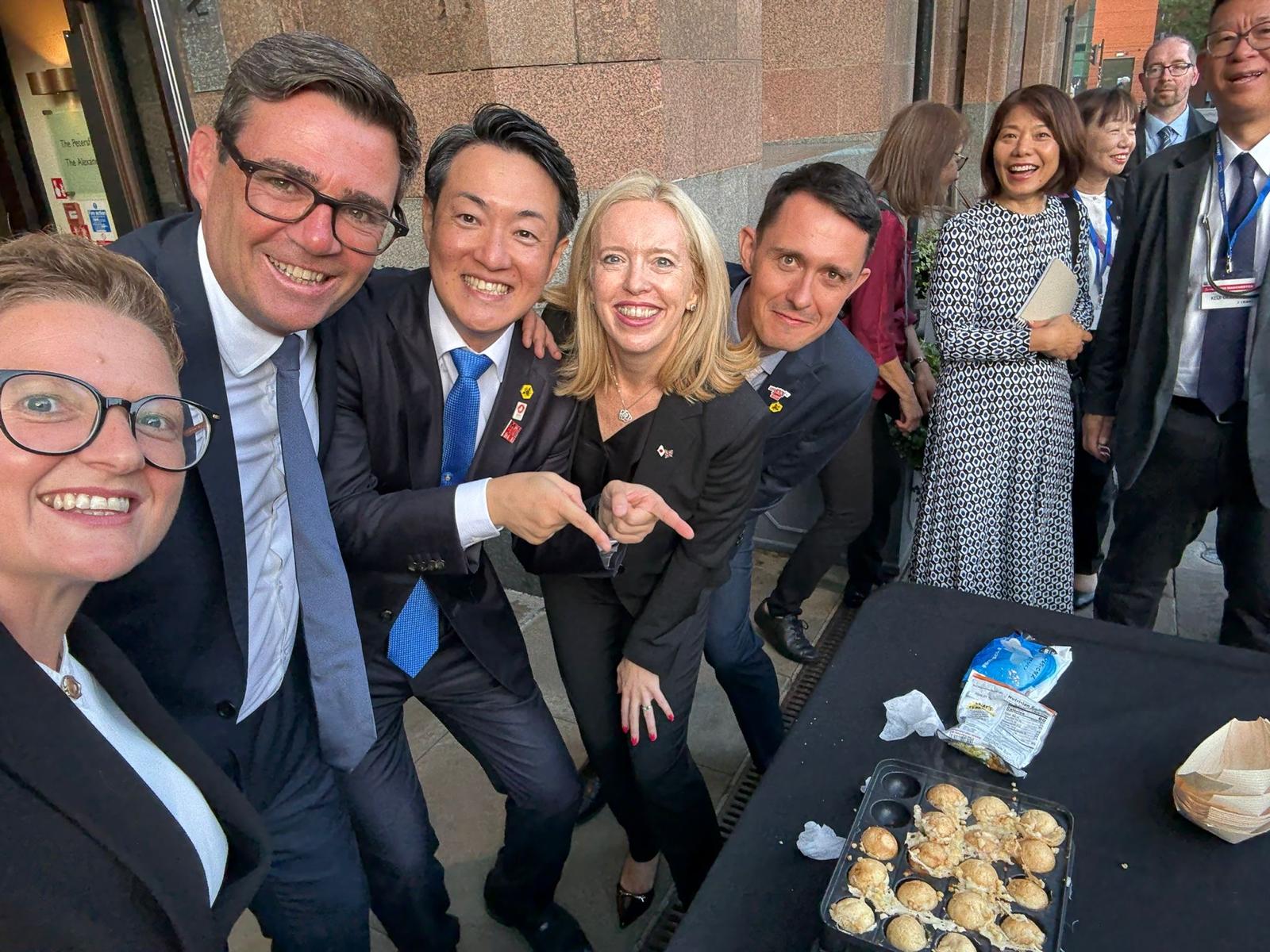
A particularly memorable outcome was the visit of Mayor Andy Burnham in
June for “Manchester Day”, during which he met with the Mayor of Osaka
and deepened their ties, which subsequently led to the conclusion of a
Sister Cities Agreement between Greater Manchester Combined Authority and
the City of Osaka in September. Building on this, follow‑on projects are
now progressing across multiple fields between Greater Manchester and Osaka.
Ultimately, Expo is about soft power—presenting who we are, our values
and culture—and we worked to translate that soft power into concrete benefits
for both the UK and the Kansai region in ways that support sustainable
growth.
Two Engines for the Future — Clean Energy and Life Sciences
Q: Based on your Expo experience, how do you view Kansai’s strengths and areas for collaboration?
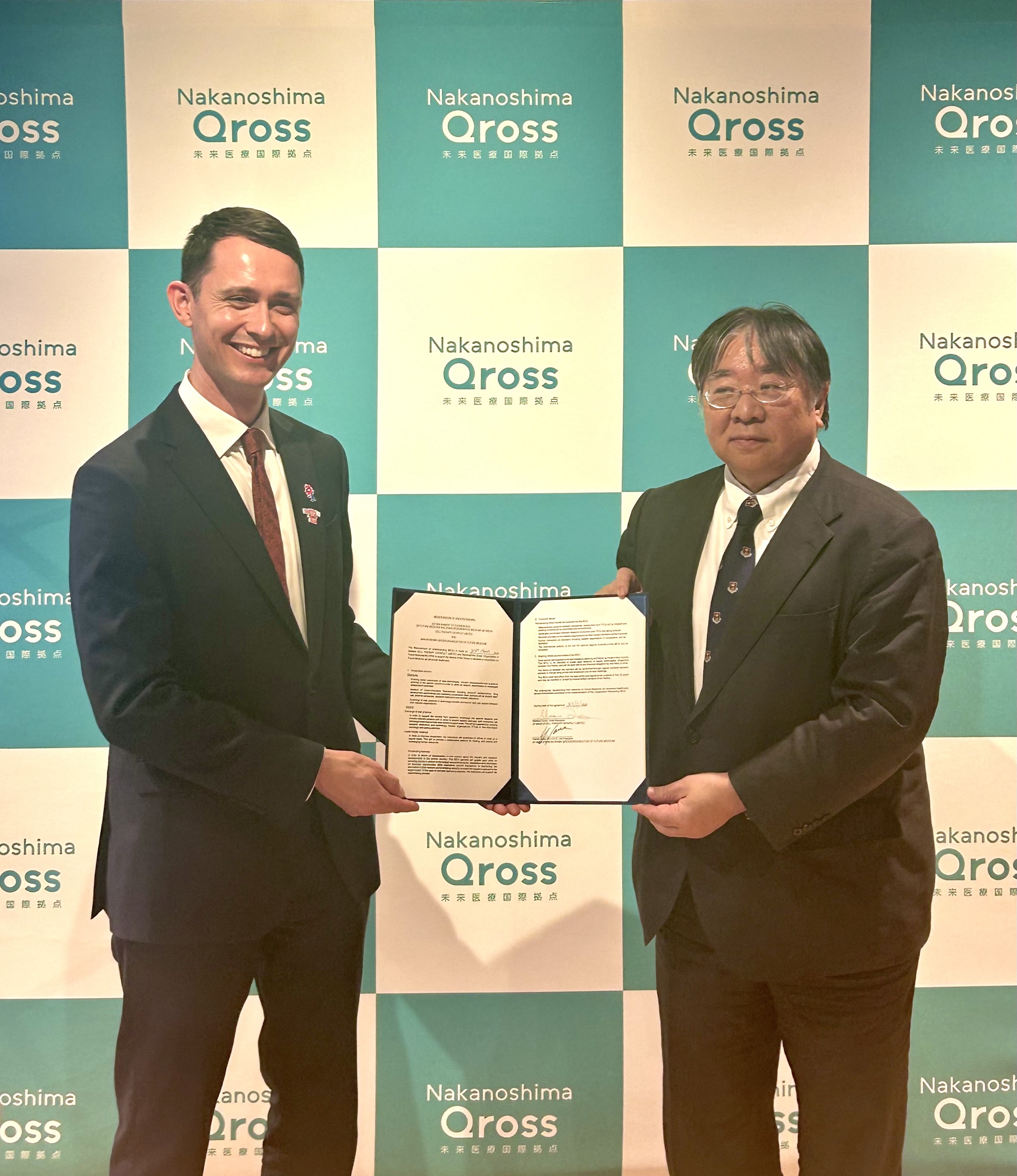
Among several promising areas, clean energy stands out. Offshore wind is a strategic priority across the UK, including Scotland and Wales. Our aim is to build comprehensive offshore‑wind ecosystems—not only wind farms, but also cable manufacturing and the supplier base that powers both factories and generation sites. Japanese investment, including from Kansai, has a vital role to play across this supply chain. Several Kansai‑based companies are already investing in UK offshore wind; we hope the technologies and capabilities developed there will be brought back to Japan to accelerate the country’s clean‑energy transition and create a positive cycle of collaboration.
Life sciences are another priority and a long‑recognized strength of Kansai.
The Expo broadened that appeal to a wider audience. Many UK visitors came
to appreciate Japan’s status as a major life‑sciences hub through pavilions
including the Osaka Healthcare Pavilion and the Pasona Pavilion. With recent
Nobel recognition related to T‑cell research and renewed attention on Osaka
University—and with strong UK bases in Cambridge, Oxford and London—we
see substantial opportunities to deepen cooperation in R&D, drug discovery
and med‑tech.
Building the Future with Kansai — Growth and Connection
Q: Do you have plans in Kansai to further international exchange and business promotion?
Our work ahead rests on two pillars: growth and people‑to‑people connections.
On growth, we are following up systematically on every relevant business
connection made at the Expo. We are collecting surveys, data and feedback
to understand which conversations occurred and where to focus next. While
evidence will shape priorities, we anticipate continued emphasis on clean
energy and healthcare/life sciences. In addition, under the UK–Japan Comprehensive
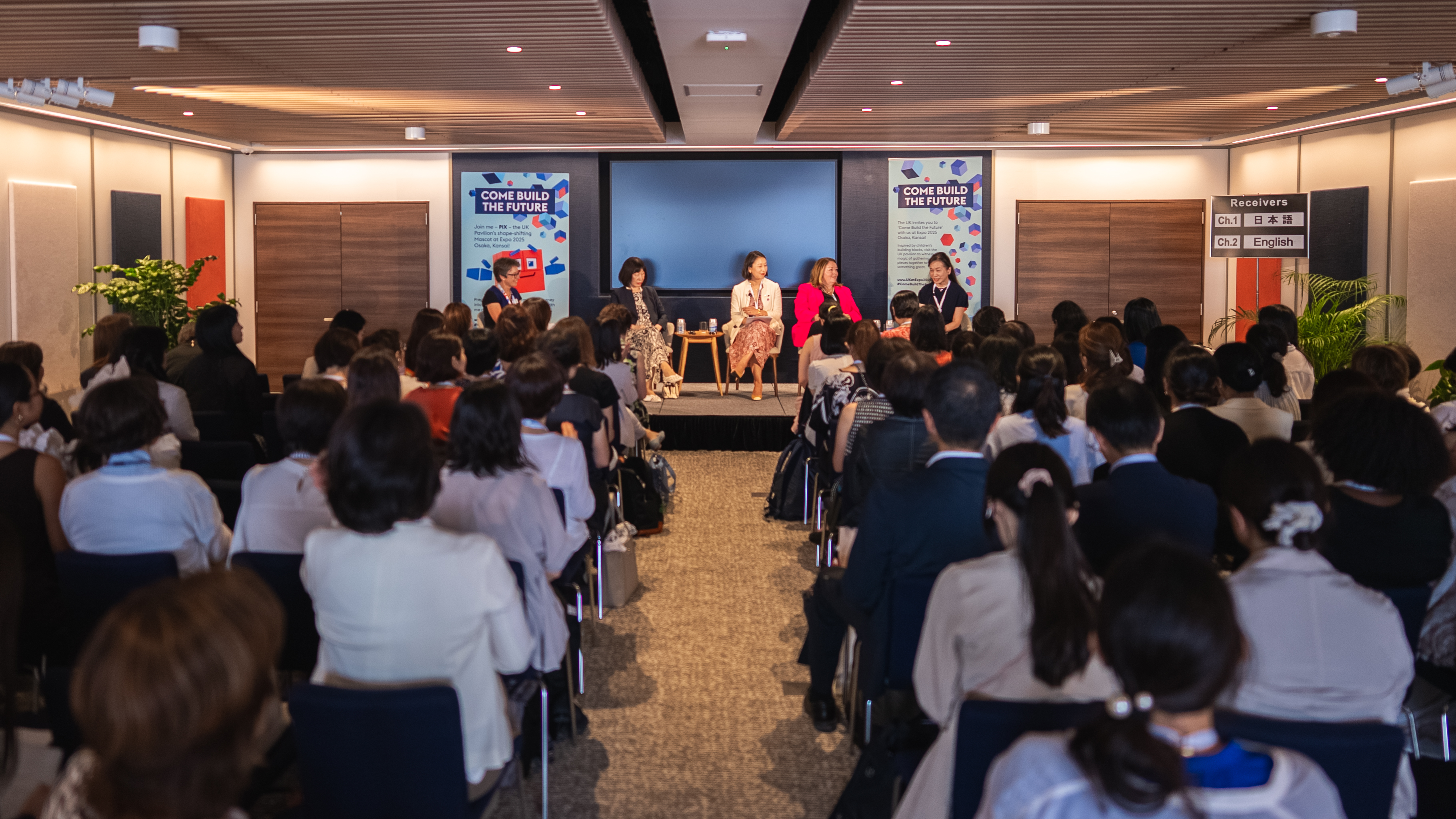
Economic Partnership Agreement (CEPA), which includes a clause on women’s
economic empowerment, we hosted a related forum at the UK Pavilion and
intend to continue creating opportunities in Kansai for women to convene,
share insights through discussion and mentoring, and expand their business
networks.
On connections, we launched MUSUBI, a new initiative unveiled on the UK National Day. Its aim is to foster people‑to‑people ties between the UK and Japan—including youth exchange—with private‑sector support helping to fund projects. In areas bridging both pillars, the UK’s industrial strategy places major emphasis on local growth plans. Regions identify four or five priority sectors and drive delivery themselves. Manchester is a leading example, and we expect delegations from other regions of England—each with clear priority lists—to visit. We hope further delegations from Scotland and Wales will also visit this year. Working closely with Kansai partners, we will share plans, make the right introductions and ensure these delegations meet appropriate counterparts across companies, universities and local authorities.
Kansai concentrates world‑class technology, manufacturing and scientific expertise. We are committed to highlighting that strength and supporting the connections that turn it into lasting partnerships.
Contact Information
Ministry of Economy, Trade and Industry, Kansai Bureau
International Affairs Division
Address: 1-5-44 Otemae, Chuo-ku, Osaka, 540-8535
Phone:+81-6-6966-6031
E-Mail:bzl-kin-kokusaiinfo@meti.go.jp
 PAGE TOP