
HOME >Post-Expo Interview Series with Consulates-General and Consulates in Kansai >Damla GUMUSKAYA, Consul General of Consulate-General of the Republic of Türkiye in Nagoya
Damla GUMUSKAYA, Consul General of Consulate-General of the Republic of Türkiye in Nagoya
Last update:March 25,2026
Building the Future Through Historic Ties — Pathways for Türkiye–Kansai Cooperation
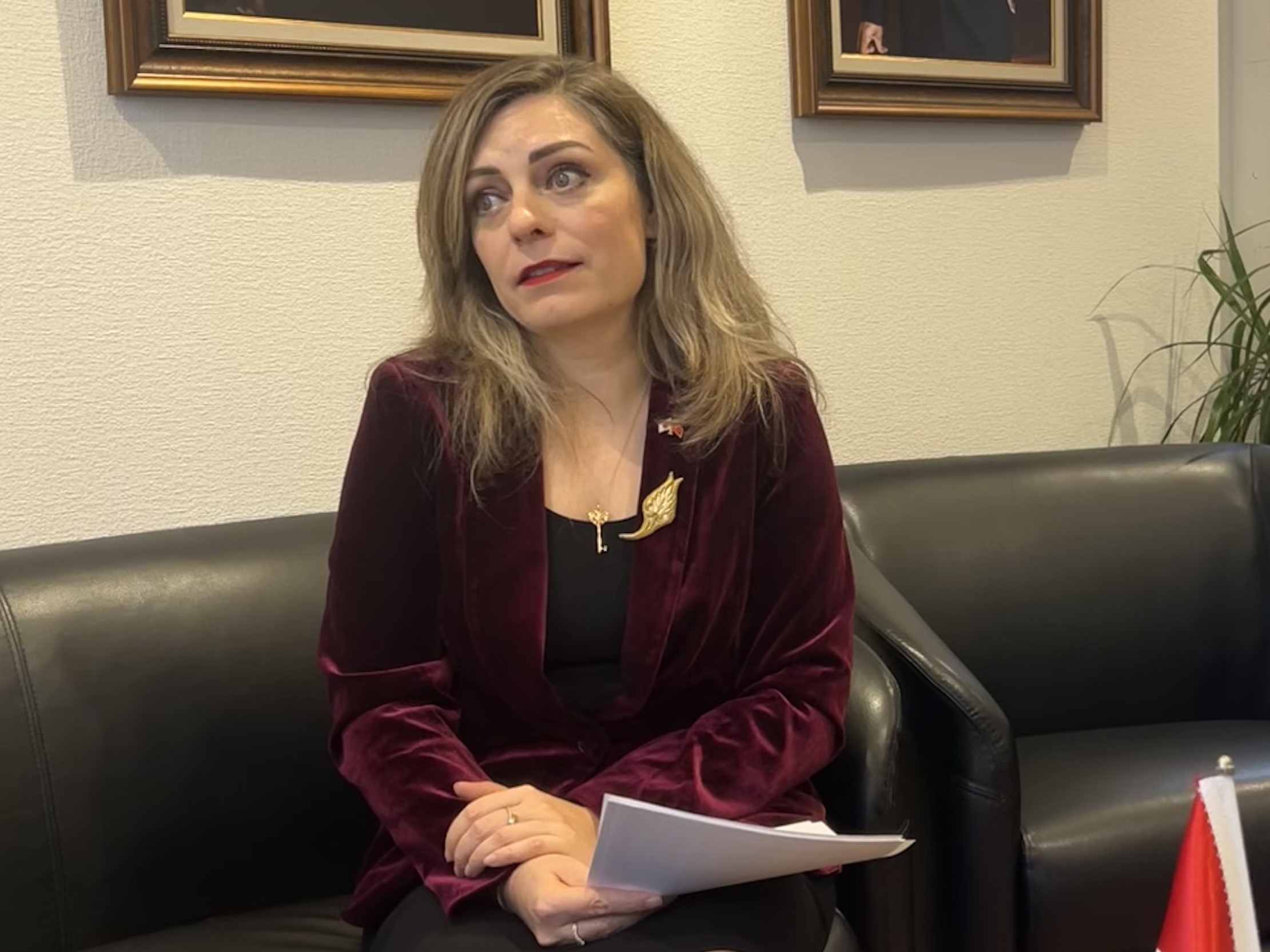
※This article is based on the interview conducted on January, 2026.
※The photographs used in this article were provided by the Consulate-General of the Republic of Türkiye in Nagoya
The Kün-Ay as an Embodiment of the Value of Human Connection
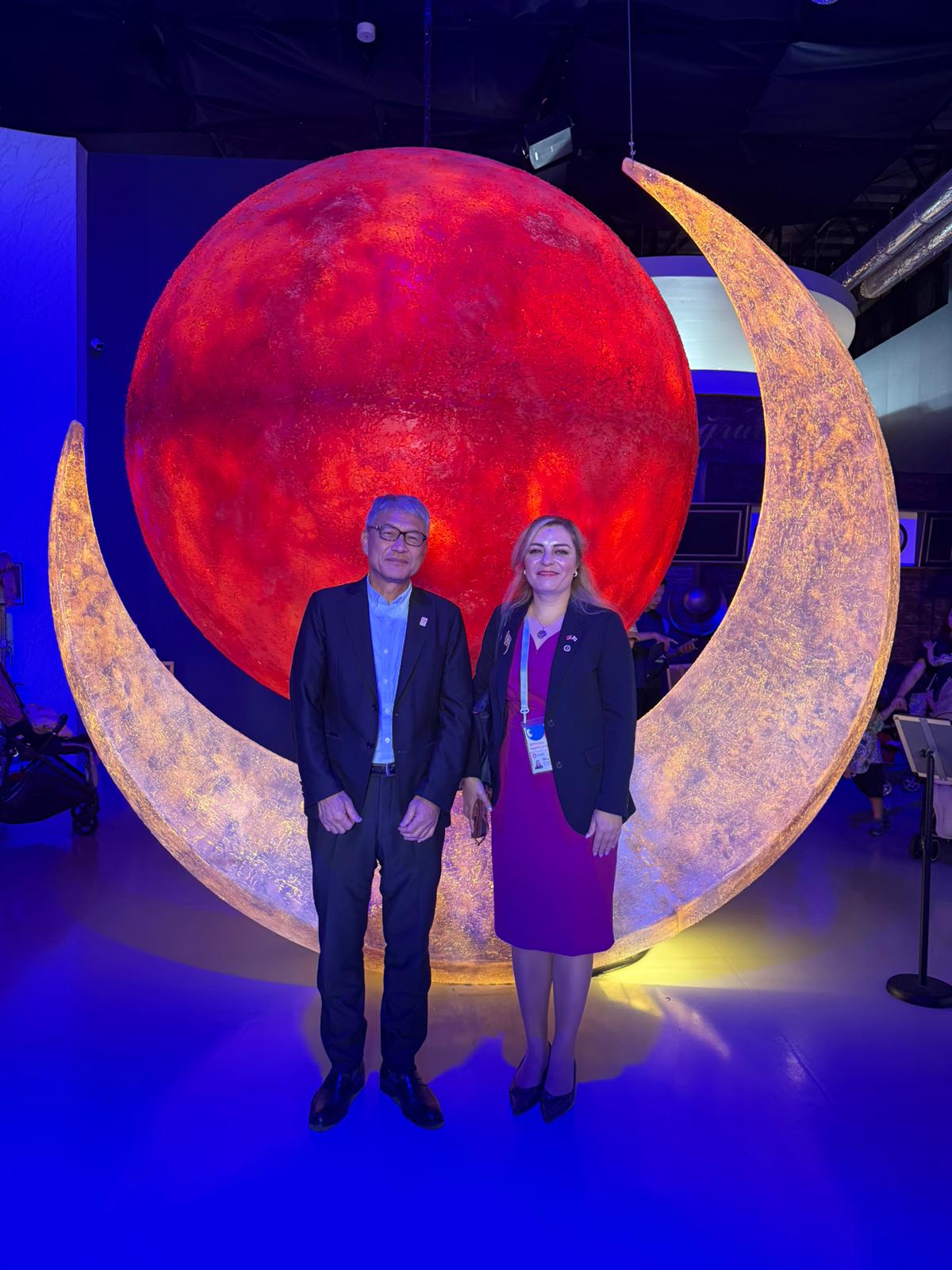
Q: What was the most important outcome during the Expo?
Expo 2025 Osaka, Kansai provided all participating countries with a valuable opportunity to come together with their cultures, traditions, lifestyles, and technologies, and—under the shared theme of “Designing Future Society for Our Lives”—to build unique ties through human connection.
In the Türkiye Pavilion, presented under the theme “The Heyday of Civilizations,” we aimed to integrate contrasting elements—past and future, the local and the universal, tradition and innovation. Rooted in history, culture, and values, yet oriented toward the future, our pavilion was designed to contribute meaningfully to the Expo’s main theme.
To express this concept, we brought in the Kün-Ay symbol, meaning “Sun
and Moon,” as a central motif. The Kün-Ay represents energy and serenity,
harmony with nature, and the peaceful coexistence of opposites. It visually
reflects the unifying spirit that Anatolia has carried for thousands of
years as a crossroads of Eastern and Western civilizations, where diverse
cultures, religions, and values have been welcomed and blended.
Through this symbolic concept, visitors were invited to reflect on humanity’s shared civilizational heritage and on the enduring importance of human connection in the digital age. Even as artificial intelligence continues to advance rapidly, the value of human networks and dialogue cannot be replaced. Over the course of the Expo, this reality became visible once again, and the many relationships formed there continue to generate lasting value.
An Emblematic Day Shaped Soon After Opening, with No Precedents
Q: Could you share any memorable episodes or initiatives?
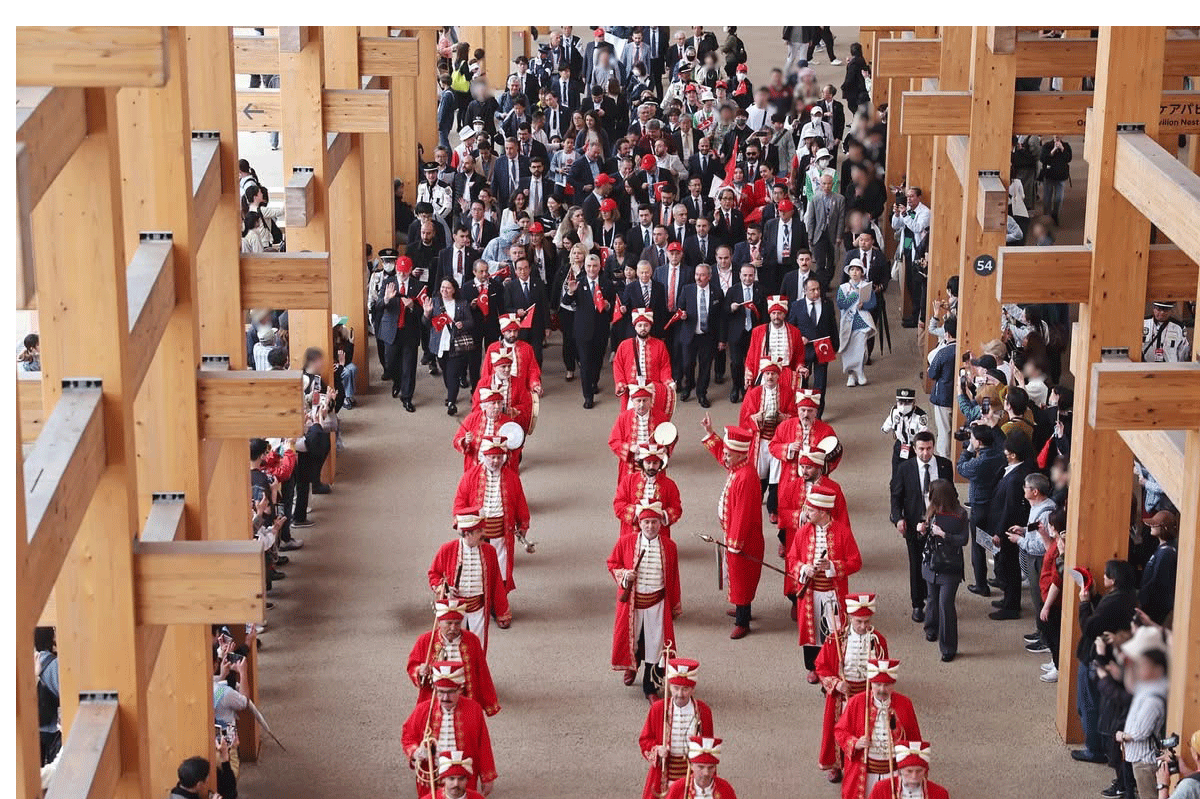
A defining moment was Türkiye National Day on April 23. In Türkiye, April 23 is celebrated as “National Sovereignty and Children’s Day,” and marking it at the Expo was a deliberate and symbolic choice. Trade Minister H.E. Mr. Ömer Bolat attended the ceremony in Osaka, and the Mehter band performed together with 80 professional dancers. Their powerful procession beneath the Grand Ring drew enthusiastic cheers and deeply resonated with the long friendship and cultural exchange between Japan and Türkiye.
At the same time, bringing these remarkable moments to life required us to overcome a range of on-site challenges. Because our National Day took place soon after the opening of the Expo, many elements had to be built without precedent. The Consulate General took a central role in on-site operations, including guidance for invitees on entry procedures and vehicle arrangements to lead the delegation to the venue.
Although our office is based in Nagoya, we traveled to Osaka two to four times a month to carry out these preparations and on-site coordination. These largely unseen efforts helped realize a symbolic day and, more importantly, built human connections that now serve as a foundation for future cooperation. The essential task ahead is to strengthen these ties and carry them forward.
The Foundation for Türkiye–Kansai Business Promotion Is Mutual Understanding through Culture, Technology, and Education
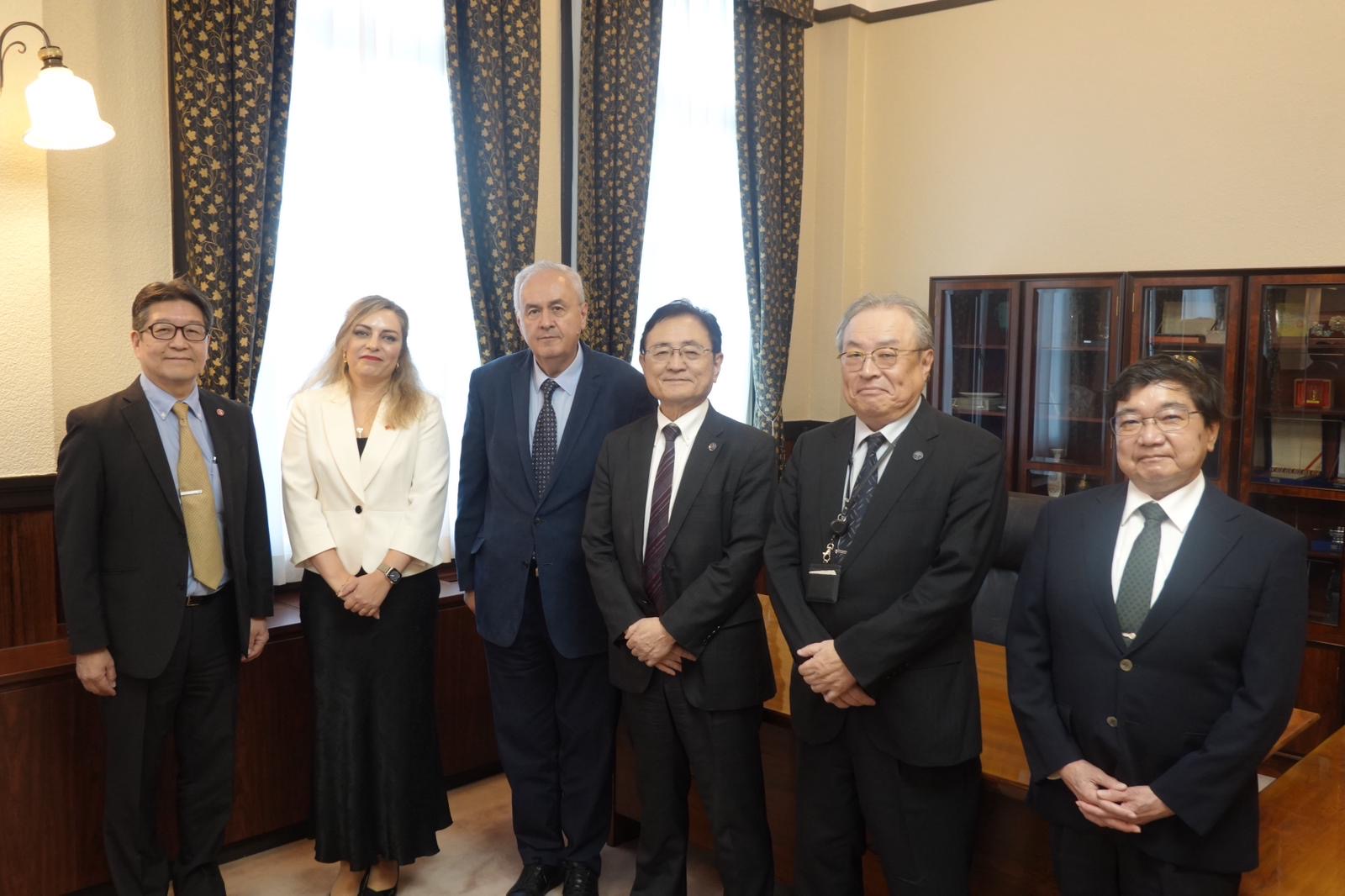
Q: Are you planning initiatives in Kansai to promote international exchange and business?
Türkiye and the Turkish people have long-standing ties with Kansai, shaped
by the 1890 Ertuğrul tragedy, the 1985 evacuation of Japanese citizens
in Iran by Türkiye, and natural disasters experienced by both countries
thereafter. Thanks to the compassion and kindness shown by both peoples,
those tragedies became stories of hope and friendship. Building on this
foundation, region-to-region exchanges have continued to deepen: Mersin
and Yakakent have sister city ties with Kushimoto in Wakayama, and İstanbul
and Konya maintain partner city relations with Kyoto. Indeed, the relaunch
of direct flights from İstanbul to Osaka by Türkiye’s flag carrier Turkish
Airlines as of December 2024 has contributed to increasing connectivity
and developing exchanges between Türkiye and Kansai.
Business-related exchanges that gained momentum during the Expo are also
continuing. For example, in November 2025, the Central Anatolian Cereals,
Pulses, Oil Seeds and Products Exporters’ Association visited Osaka for
food-sector meetings with Japanese companies. In February this year, the
İstanbul Leather and Leather Products Exporters’ Association held B2B meetings
with Japanese trading and retail firms, including a company based in Kansai.
Academic collaboration is likewise progressing, and with the expected launch
of graduate and undergraduate programs at the Turkish–Japanese Science
and Technology University in September this year, universities and high
schools on both sides are exploring possible avenues for cooperation through
MoUs, international sister school relationships and disaster preparedness
programs.
To further consolidate these exchanges, a practical communication platform
—a simple network of relevant organizations/institutions through bilaterally
designated points of contact — linking Türkiye and Kansai would be helpful.
This is not intended to be a large-scale or institutional framework, but
rather an easy-to-use communication channel. With such a function, person-to-person
networks can be strengthened and collaboration can proceed more smoothly
across important fields such as artificial intelligence, advanced technologies,
research and development on semiconductors, data centers, life-saving medical
technologies, and start-ups.
Building sustainable, long-term economic relations requires mutual understanding
that is developed through steady and careful efforts over time in culture,
technology, and education. Visiting one another and taking small but concrete
steps for our counterparts often becomes the catalyst that moves cooperation
forward. By steadily fostering this foundation of mutual understanding,
we will continue to broaden the range of cooperation between Türkiye and
Kansai.
Contact Information
Ministry of Economy, Trade and Industry, Kansai Bureau
International Affairs Division
Address: 1-5-44 Otemae, Chuo-ku, Osaka, 540-8535
Phone:+81-6-6966-6031
E-Mail:bzl-kin-kokusaiinfo@meti.go.jp
 PAGE TOP