
HOME >Post-Expo Interview Series with Consulates-General and Consulates in Kansai >Voltaire Dela Cruz MAURICIO, Consul General of Consulate-General of the Republic of the Philippines in Osaka
Voltaire Dela Cruz MAURICIO, Consul General of Consulate-General of the Republic of the Philippines in Osaka
Last update:March 3,2026
Accelerating Japan–Philippines Business Toward the 70th Anniversary — Expo as a Catalyst for New Opportunities

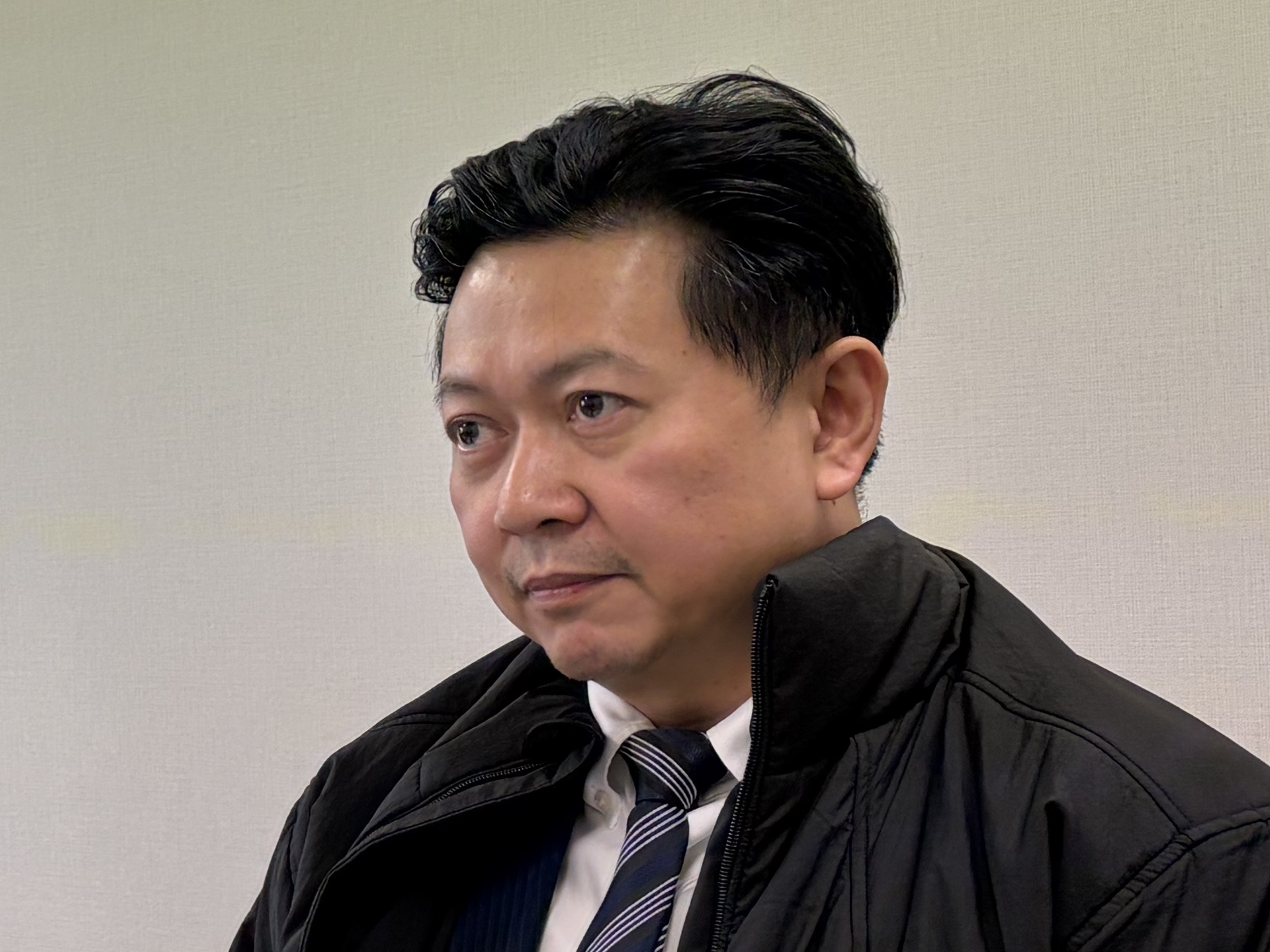
※This article is based on the interview conducted on December, 2025.
※The photograph on the right shows “Jerome B. Diaz, Tourism Representative and Tourism Attache of Consulate-General of the Republic of the Philippines in Osaka”.
Tourism as a Driver of Investment — The Expo Reaffirmed the Philippines’ Appeal
Q: What was the most important outcome during the Expo?
We set out to show how culture can serve as a bridge to long‑term friendship and trade. At this Expo, perceptions of the Philippines in Japan became more positive, particularly as a destination people wish to visit. In our experience, tourism often opens the door to investment: once people see a country firsthand, they tend to view its economy, society, and environment more favorably—and that interest can translate into business.
Our participation presented a clear sense of Philippine identity. The highlight was our National Day. More than a performance, it allowed audiences in Japan to feel the “heartbeat of the Philippines.” Many guests were visibly moved. Another significant aspect was the message the Expo sent at a time of geopolitical tension. By enabling cultural exchange and dialogue, the Expo offered a practical path toward unity.
Proven in Adversity — The Philippine Pavilion’s Effort
Q: What background and preparation made these outcomes possible?
For us, success is something that is tested “in the crucible of adversity”—and only through that process can something of real value emerge. One of the greatest challenges we faced at this Expo was the record‑breaking heat from June through September. Even under those conditions, we continued to host delegations, including a high‑level visit led by the President in June, and by the time we looked back we had conducted more than 37 guided programs. While it is still too early to quantify how much business will ultimately arise from these efforts, we firmly believe they will lead to meaningful outcomes.
In total, the Philippine Pavilion welcomed approximately 1.14 million visitors. We are deeply grateful to the organizers, including for the pavilion’s excellent location directly facing the East Gate. Many people visited our pavilion, and if even 10 to 15 percent of them eventually consider doing business with—or traveling to—the Philippines, the resulting economic ripple effects could be very significant.
Kansai’s Strengths and Next Steps — SMEs, Startups, and Inter‑Regional Partnerships
Q: Are you planning initiatives in Kansai to promote international exchange or business?
We regard the Kansai region as “practically the number one destination” globally. As demand continues to rise, a challenge remains: how the region can best accommodate these flows. Yet hosting the Expo has clearly strengthened Kansai’s distinctive local appeal and sharpened a brand that resonates worldwide. Its presence as a hub for trade, tourism, and commerce has also grown more than ever.
On the Philippine side, inquiries about investment in Japan are increasing. Conversely, we remain fully open to Japanese companies looking to do business in the Philippines. Looking ahead to 2026, which marks the 70th anniversary of Japan–Philippines diplomatic relations, we are preparing proposals not only for tourism promotion but also for trade and industry, including business missions to Osaka and other parts of Japan.
As future growth areas, we see scope to expand cooperation in computer-related
industries and the green economy. The Philippines also places particular
value on smaller businesses and community-based growth, and we therefore
maintain a strong focus on startups and SMEs. In parallel, we are promoting
the Philippines as a practical base for ESL and workforce training.
What stands out in Japan is the dynamism of local governments. Sister‑city and other inter‑municipal partnerships can further strengthen Japan–Philippines ties. There is considerable scope for cooperation, including areas where the Philippines can help address Japan’s shortages of younger workers, among many other fields that support Japan’s continued development. Many local governments in the Philippines are also asking our Department of Tourism (DOT) to support trade and tourism missions. If corresponding contact points can be established in Japan to receive and coordinate these proposals, we expect further progress in joint promotion and in showcasing local products and services.
Contact Information
Ministry of Economy, Trade and Industry, Kansai Bureau
International Affairs Division
Address: 1-5-44 Otemae, Chuo-ku, Osaka, 540-8535
Phone:+81-6-6966-6031
E-Mail:bzl-kin-kokusaiinfo@meti.go.jp
 PAGE TOP