
HOME > Post-Expo Interview Series with Consulates-General and Consulates in Kansai > Oktyabri Tserenjargal, Consul of Consulate-General of Mongolia in Osaka
Oktyabri Tserenjargal, Consul of Consulate-General of Mongolia in Osaka
Last update:March 11,2026
From Expo to the Future—Friendship and Cooperation Linking History, Culture, and Business between Mongolia and Kansai
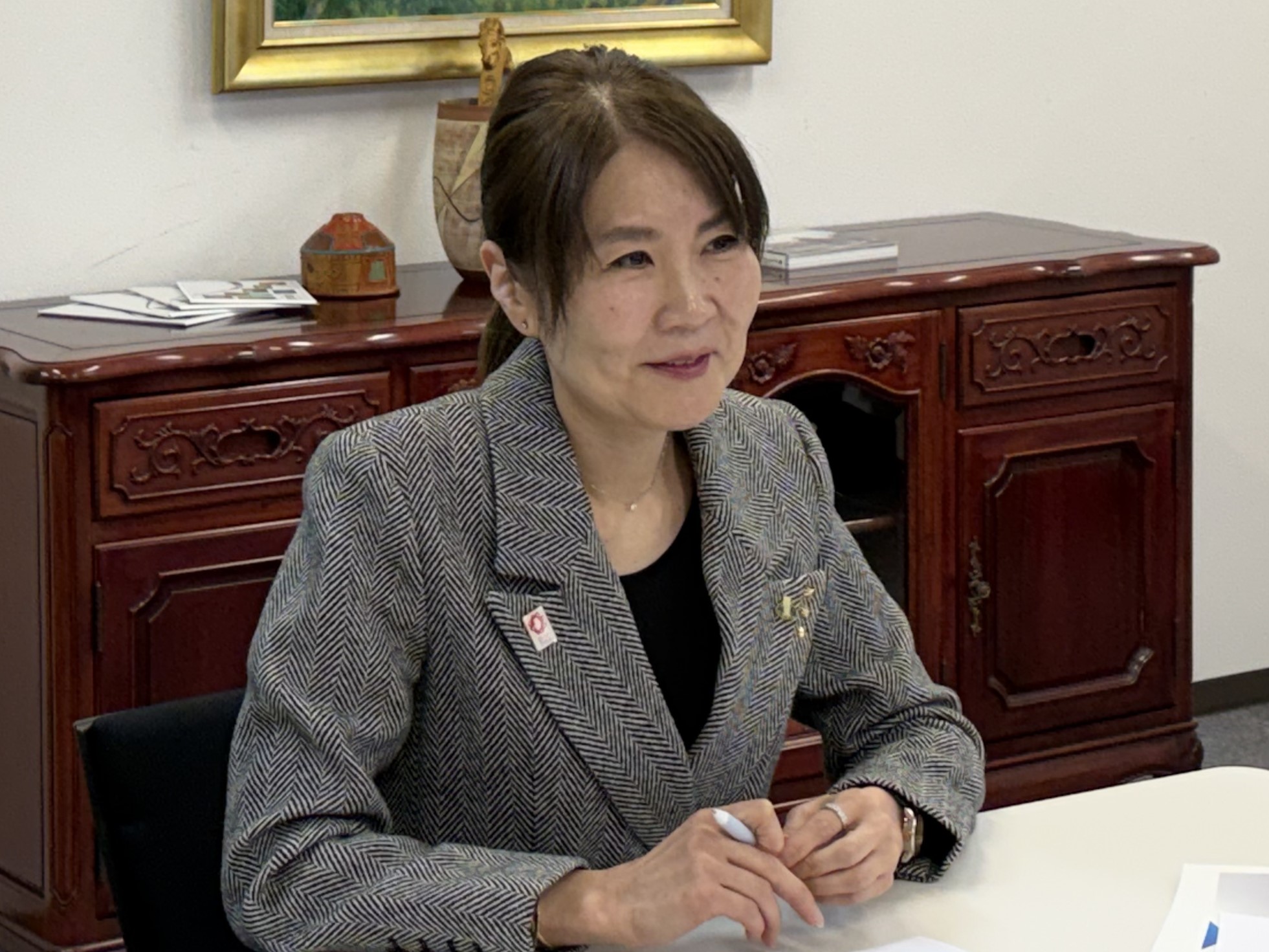
※This article is based on the interview conducted on December, 2025.
※The photographs used in this article were provided by the Consulate-General of Mongolia in Osaka.
The Resonance of “Mongolia’s Peace — Pax Mongolica”
Q: What was the most significant achievement during the Expo?
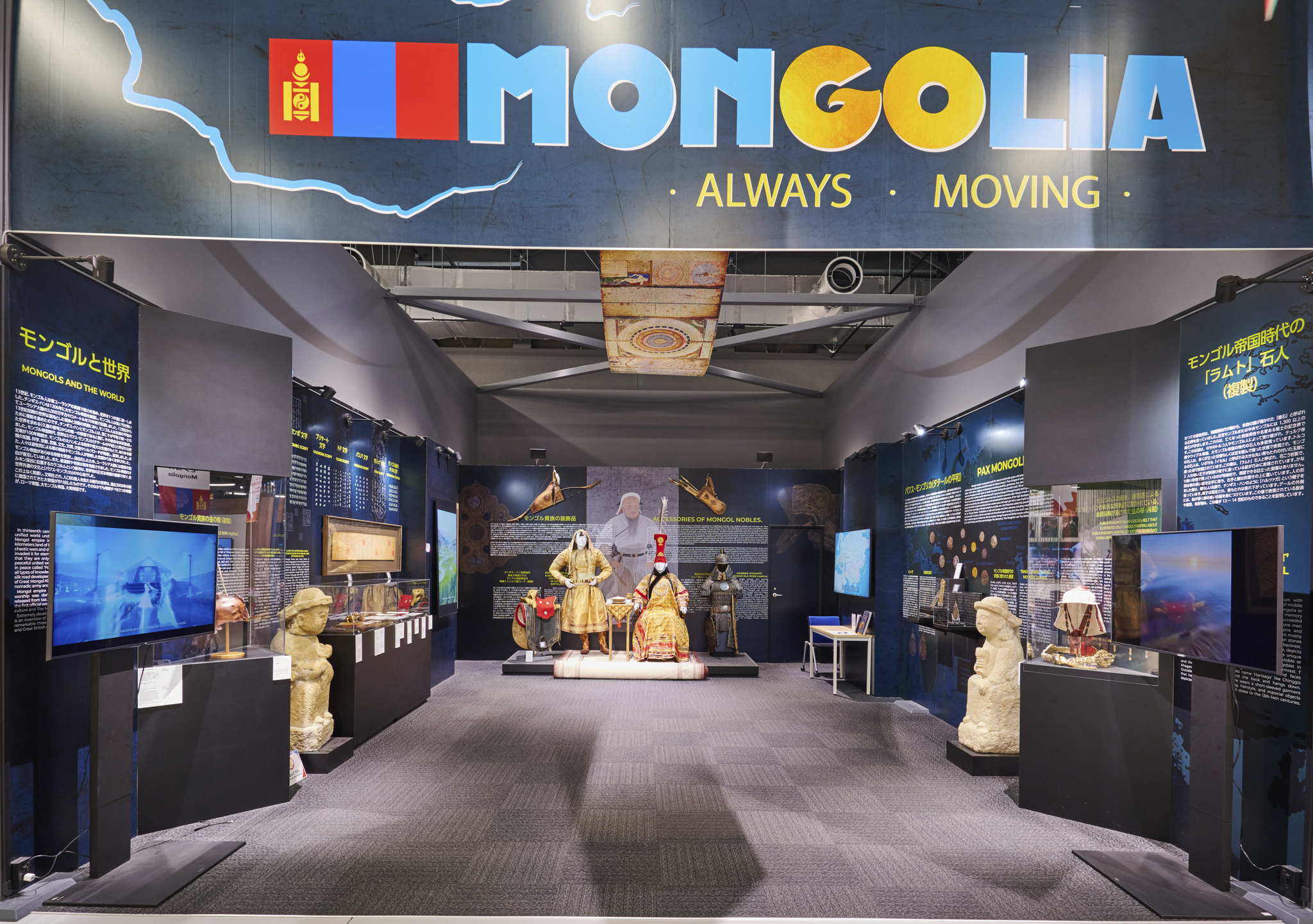
Expo 2025 Osaka, Kansai, Japan served as a highly meaningful platform for Mongolia, allowing us to share both the richness of our history and the dynamism of our modern development with the world. Our pavilion was organized under the theme “Mongolia’s Peace—Pax Mongolica,” a term that refers to a historical period in which interstate conflict was restrained and Mongolian society was shaped by mutual understanding and active exchange. Using this concept as the foundation, we created a narrative that connected Mongolia’s past and present in a continuous flow that visitors could tangibly experience.
In practical terms, we introduced a wide range of cultural and historical heritage alongside the current state of Mongolia’s social and economic development, the potential of our tourism sector, and our initiatives toward achieving the Sustainable Development Goals. By deliberately integrating a historical perspective into the Expo’s future‑oriented concept, we strengthened the overall persuasiveness of the pavilion.
To attract broad interest, we made a number of curatorial efforts. With
the cooperation of the Chinggis Khaan National Museum—highly regarded both
within and outside Mongolia—we borrowed key artifacts to enhance the authenticity
of our historical presentation and carefully introduced related materials
located in Japan and other countries. For example, we displayed replicas
of the Great Khan’s seal and letters that were found in Japan during my
tenure at the Embassy of Mongolia in Tokyo. These items offered visitors
a tangible sense of connection with Japan, helping them easily understand
the long‑standing links between our two countries.
As a result, the Mongolian Pavilion, located in the shared pavilion zone
(Commons‑D), welcomed more than five million visitors. This allowed us
to significantly broaden international understanding and empathy toward
Mongolia, while also deepening the sense of affinity felt by many Japanese
visitors. We believe that the most significant achievement of the Expo
was not only the increased recognition and interest in Mongolia worldwide,
but also the valuable opportunity it provided to further strengthen our
cooperation with Japan.
Looking “Beyond EXPO”: An MOU Between the Osaka Chamber of Commerce and Industry and the Mongolian National Chamber of Commerce and Industry
Q: What was a particularly memorable episode during the Expo period?
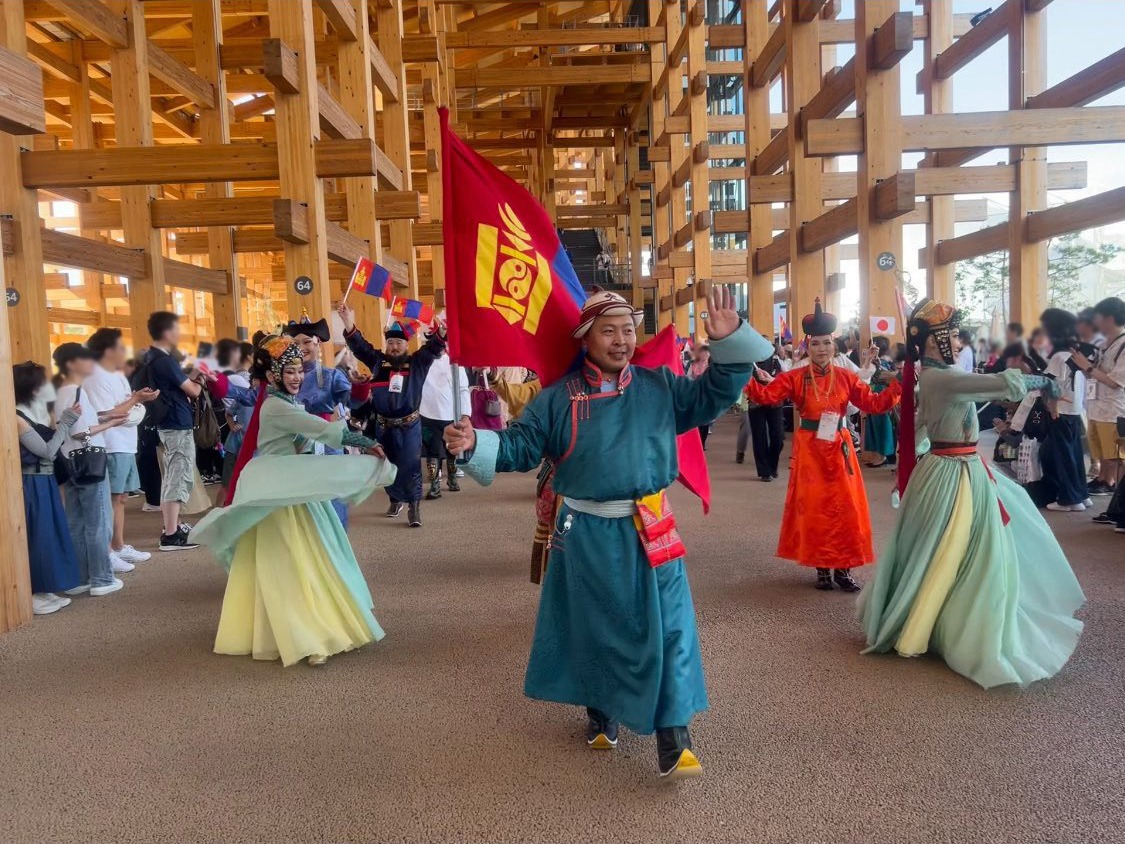
On Mongolia’s National Day in July, Deputy Prime Minister H.E. Mr. T. Dorjkhand visited Osaka and attended the official ceremony. Together with H.E. Mr. Ito, then Japan’s Minister for the Expo, he made reciprocal visits to both the Mongolian Pavilion and the Japan Pavilion, creating a symbolic moment that highlighted the friendly relations between our two countries. Under the Grand Ring, a parade showcasing traditional Mongolian attire captivated many visitors, while a concert—filled to capacity, with standing‑room‑only audiences—clearly demonstrated the strong appeal of Mongolian culture. These initiatives proved highly memorable not only because they presented our rich cultural heritage, but also because they fostered cross‑cultural engagement and encouraged participation from the local community.
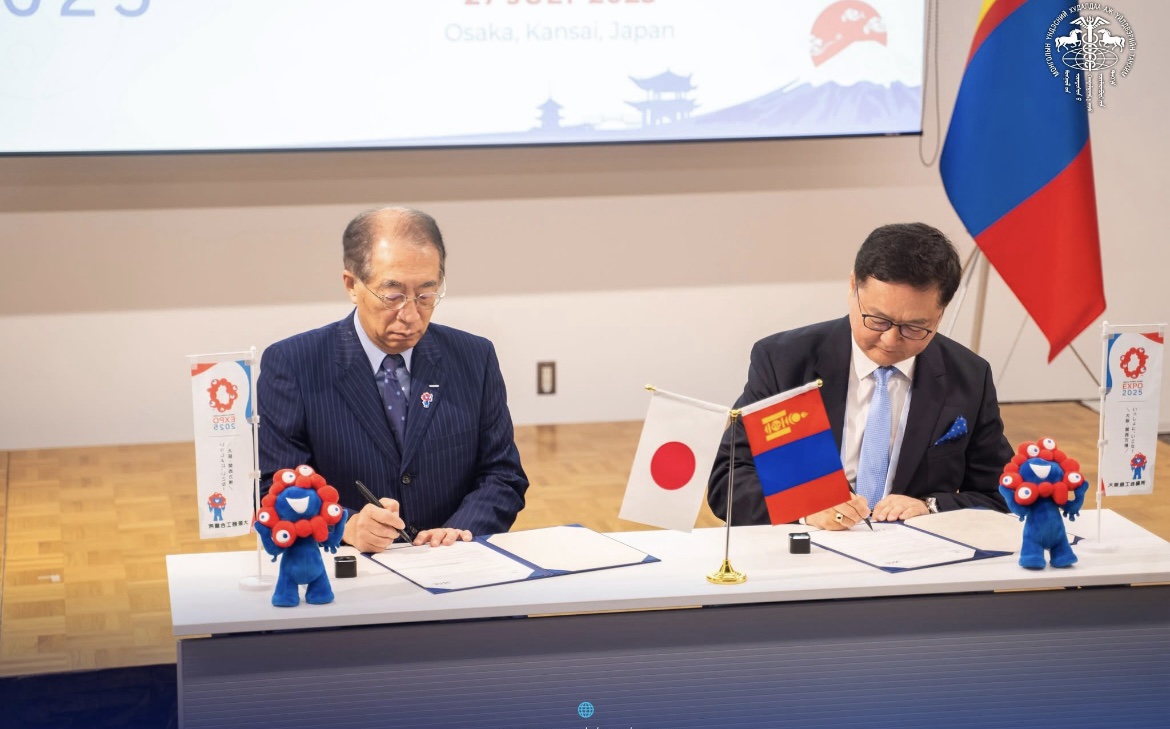
On the business side, we were deeply impressed by the strength of innovation and forward‑looking vision we encountered, including the joint Future City exhibit by Hitachi and KDDI, the Healthcare Pavilion, and site visits related to future energy. The Expo also served as a catalyst for building new ties with a variety of business organizations across the Kansai region. A symbolic milestone was the signing of an MOU between the Osaka Chamber of Commerce and Industry and the Mongolian National Chamber of Commerce and Industry to enhance economic exchange.
Kansai is home to a wide range of economic organizations, including the
Osaka and Kobe Chambers of Commerce and Industry, all of which play an
essential role in supporting business activity. By continuing to communicate
these regional strengths and support mechanisms to stakeholders in Mongolia—and
by creating opportunities for Mongolian business representatives to meet
their counterparts in Kansai—we believe that mutual understanding will
deepen and that, from a Beyond EXPO perspective, this will contribute to
advancing medium‑ to long‑term economic cooperation between Mongolia and
Kansai.
Government, economic organizations, and companies in concert—toward a multi-layered Mongolia × Kansai partnership
Q: Do you plan initiatives in Kansai to promote international exchange and business?
Kansai possesses a unique combination of industrial, cultural, and academic strengths that continues to attract international attention. Its diversified economic structure, strong manufacturing base, vibrant startup ecosystem, and world‑class research institutions together create fertile ground for business. Coupled with a rich cultural heritage and a long‑standing spirit of hospitality, these strengths produce an exceptionally favorable environment for international exchange.
Looking ahead, it will be important to deepen cooperation—particularly with Kansai—in fields such as innovation, sustainability, and digital transformation. Through ongoing dialogue and information‑sharing with local governments, economic organizations, and academic institutions in the region, we expect new joint projects to emerge.
More concretely, one idea could be to hold the Japan–Mongolia Public–Private Joint Committee in Kansai, which serves as a forum for discussing bilateral economic cooperation. We could also co‑host business forums in collaboration with chambers of commerce—including the Osaka Chamber, which has concluded an MOU with its Mongolian counterpart—and provide consultations for individual companies wishing to develop business between Mongolia and Kansai.
Through these economic‑cooperation initiatives, we aim to support Mongolia’s development goals as well as Kansai’s international outreach and exchange, thereby building a sustainable partnership that contributes to the long‑term development of both sides.
Contact Information
Ministry of Economy, Trade and Industry, Kansai Bureau
International Affairs Division
Address: 1-5-44 Otemae, Chuo-ku, Osaka, 540-8535
Phone:+81-6-6966-6031
E-Mail:bzl-kin-kokusaiinfo@meti.go.jp
 PAGE TOP