
HOME >Post-Expo Interview Series with Consulates-General and Consulates in Kansai >Dody S.Kusumonegoro, Consul/Minister Counsellor of Consulate-General of the Republic of Indonesia in Osaka
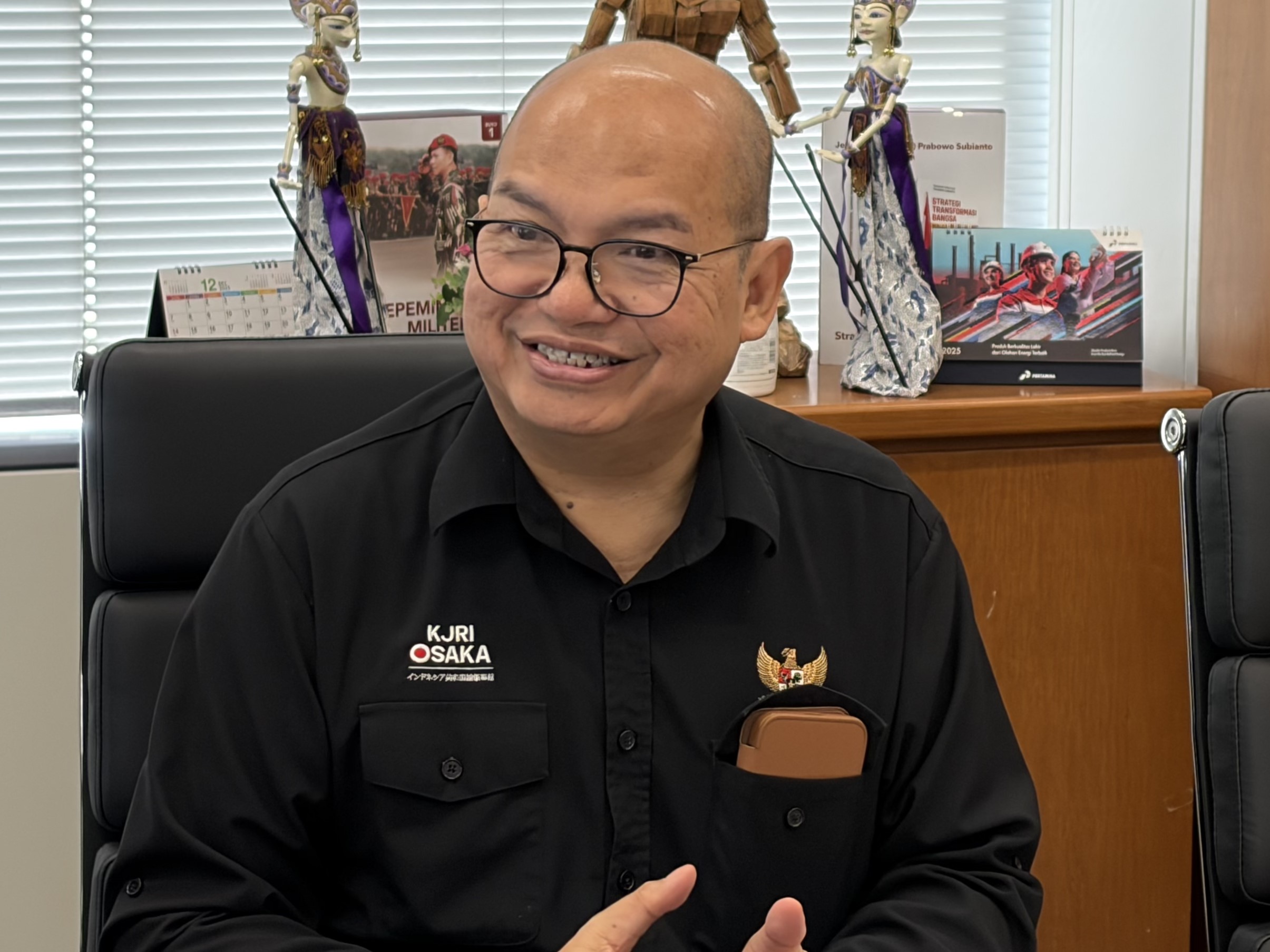
Dody S.Kusumonegoro, Consul/Minister Counsellor of Consulate-General of the Republic of Indonesia in Osaka
Last update:March 5,2026
Authentic Enthusiasm Spreads — The Power of the Indonesia Pavilion that Attracted 3.58 Million Visitors
※This article is based on the interview conducted on December, 2025.
※The photographs used in this article were provided by the Consulate-General of the Republic of Indonesia in Osaka.
Turning Queues into Enjoyable Moments — Six Months that Proved “Energy Comes Back”
Q: What was the most important outcome during the Expo?
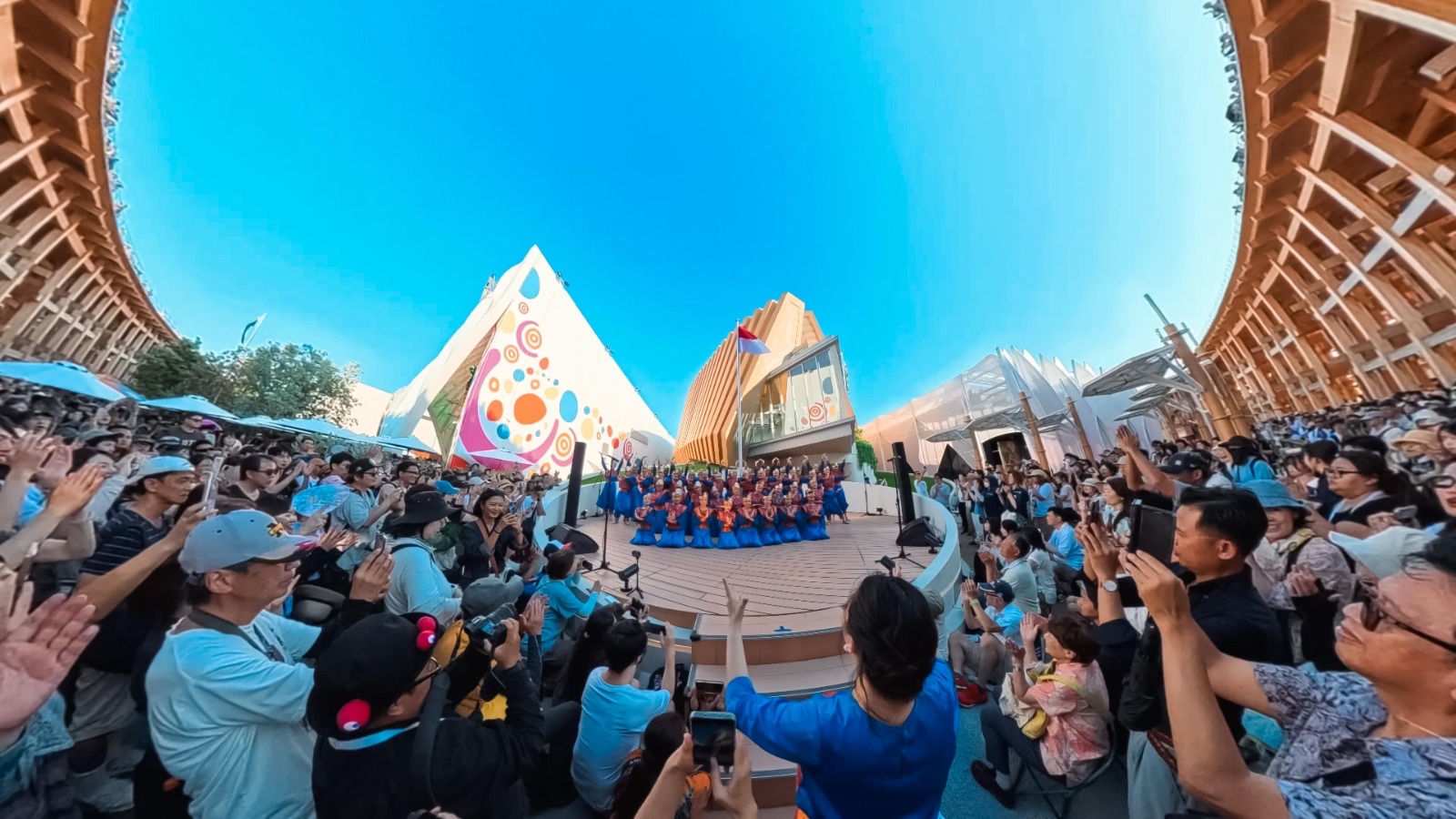
Our foremost achievement was positioning the Indonesia Pavilion not merely as a cultural showcase, but as a credible platform for economic diplomacy and long‑term partnership building. Over the six‑month period, the Pavilion welcomed approximately 3.58 million visitors, making it one of the most visited among ASEAN participants. We also facilitated more than 104 business forums and one‑on‑one meetings, generating USD 28.3 billion in investment commitments across renewable energy, advanced manufacturing, technology cooperation, and infrastructure.
A key driver behind this success was the simple, widely shared phrase “yoyaku nashi de sugu haireru”—meaning visitors could enter without reservations. This catchy and easy‑to‑grasp message quickly went viral, dramatically lowering psychological barriers and sparking a surge of spontaneous visits. As momentum snowballed, long queues became a daily sight. The Pavilion eventually accumulated 2,466 media coverages and around 733 million digital interactions, demonstrating its presence both on‑site and nationwide.
Equally important was the creativity and energy of our Pavilion guides. Even on days when temperatures approached 40 °C, they used interactive communication, humor, and music to turn waiting time into an enjoyable shared experience. Their lively approach resonated strongly with visitors, and they soon became known as the “Yoyaku‑nashi Girls and Boys,” appearing on popular national television programs and further amplifying the Pavilion’s visibility.
From these experiences, one lesson stood out above all: “When you give energy, you receive more energy in return.” The Expo showed us that genuine enthusiasm and human connection can create an impact as powerful as—if not greater than—technology or sophisticated content. The Indonesia Pavilion demonstrated how human energy can attract attention, build empathy, and ultimately lead to sustainable outcomes.
From Dubai to Osaka: Behind the Strategy
Q: What background and preparation made these outcomes possible?
These results were made possible through close coordination among Indonesian ministries and related institutions. The COVID‑19 pandemic significantly affected the Expo Dubai schedule, leading to a one‑year postponement. As a result, when Osaka sought formal confirmation of Indonesia’s participation, the country was still engaged in dismantling its Dubai Pavilion and managing the associated administrative procedures.
Even under these constraints, the relevant ministries and institutions advanced preparations for Osaka while simultaneously formulating an early post‑Expo development vision. This vision clearly articulated three thematic pillars—sustainability, green growth, and innovation—and was expressed consistently throughout the Pavilion’s presentation, leaving a strong impression on visitors.
At the same time, proactive outreach to international business stakeholders
encouraged participation in business forums and one‑on‑one meetings. This
early and strategic engagement was a key driver behind the large‑scale
investment commitments achieved during the Expo.
Looking beyond the Expo, Indonesia will continue to strengthen economic ties with Kansai by following up and monitoring major investment outcomes—including, among others, the USD 22 billion Sustainable Green Industrial Zone project. In addition to business collaboration, we aim to expand direct touchpoints between Indonesian companies and Kansai consumers, deepening both people‑to‑people connections and business partnerships.
Kansai Is Ideal for Global Collaboration — Where Advanced Industries Coexist with an Open Mindset
Q: Are you planning initiatives in Kansai to promote international exchange or business?
First, Kansai’s strengths span advanced fields—including renewable energy and green industries, digital transformation, healthcare innovation, and sustainable tourism. Companies, industry associations, and research‑intensive universities and institutes are closely connected, forming a robust foundation for innovation across these sectors.
Equally, the people of Kansai are notably open and welcoming, with a culture that embraces visitors and new ideas. While this may feel entirely natural to people in Kansai, it is striking to those of us coming from outside. This openness lowers psychological barriers to engaging with international visitors and fosters genuine curiosity toward diverse ideas, making it easier to explore future‑oriented fields together.
Moreover, Kansai combines industrial depth with institutional backing: a concentration of cutting‑edge manufacturing, strong SME networks, rich cultural assets, and active public institutions and business organizations that underpin international exchange. It is the coexistence of this industrial base and an open mindset that makes Kansai an ideal region for global collaboration. We also recognize a strong affinity with Indonesia’s priority areas, which can create substantial added value for both sides.
Building on these strengths, our next steps are practical and focused: organizing theme‑focused business forums, sector‑specific roundtables, and site visits that directly link Kansai and Indonesia. Through these concrete actions, Indonesia aims to broaden opportunities for co‑creation and further invigorate collaboration with Kansai.
Contact Information
Ministry of Economy, Trade and Industry, Kansai Bureau
International Affairs Division
Address: 1-5-44 Otemae, Chuo-ku, Osaka, 540-8535
Phone:+81-6-6966-6031
E-Mail:bzl-kin-kokusaiinfo@meti.go.jp
 PAGE TOP