
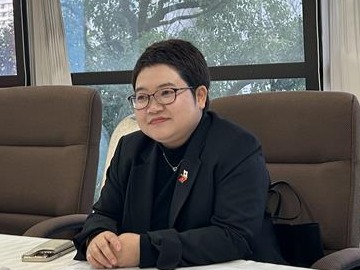
HOME >Post-Expo Interview Series with Consulates-General and Consulates in Kansai >QUYEN THI THUY HA, Cosul of Consulate-General of the Socialist Republic of Viet Nam in Osaka/Chief of Vietnam Trade Office in Osaka
QUYEN THI THUY HA, Cosul of Consulate-General of the Socialist Republic of Viet Nam in Osaka/Chief of Vietnam Trade Office in Osaka
Last update:March 19,2026
From Trust Built Over Time to New Challenges — Expanding Kansai–Vietnam Co-Creation
※This article is based on the interview conducted on December, 2025.
※The photographs used in this article were provided by the Consulate-General of the Socialist Republic of Viet Nam in Osaka.
1.7 Million Visitors and Multiple Awards — Vietnam Showcased Creativity and Operational Excellence
Q: What was the most important outcome during the Expo?
Vietnam’s participation in Expo 2025 was among its most successful at
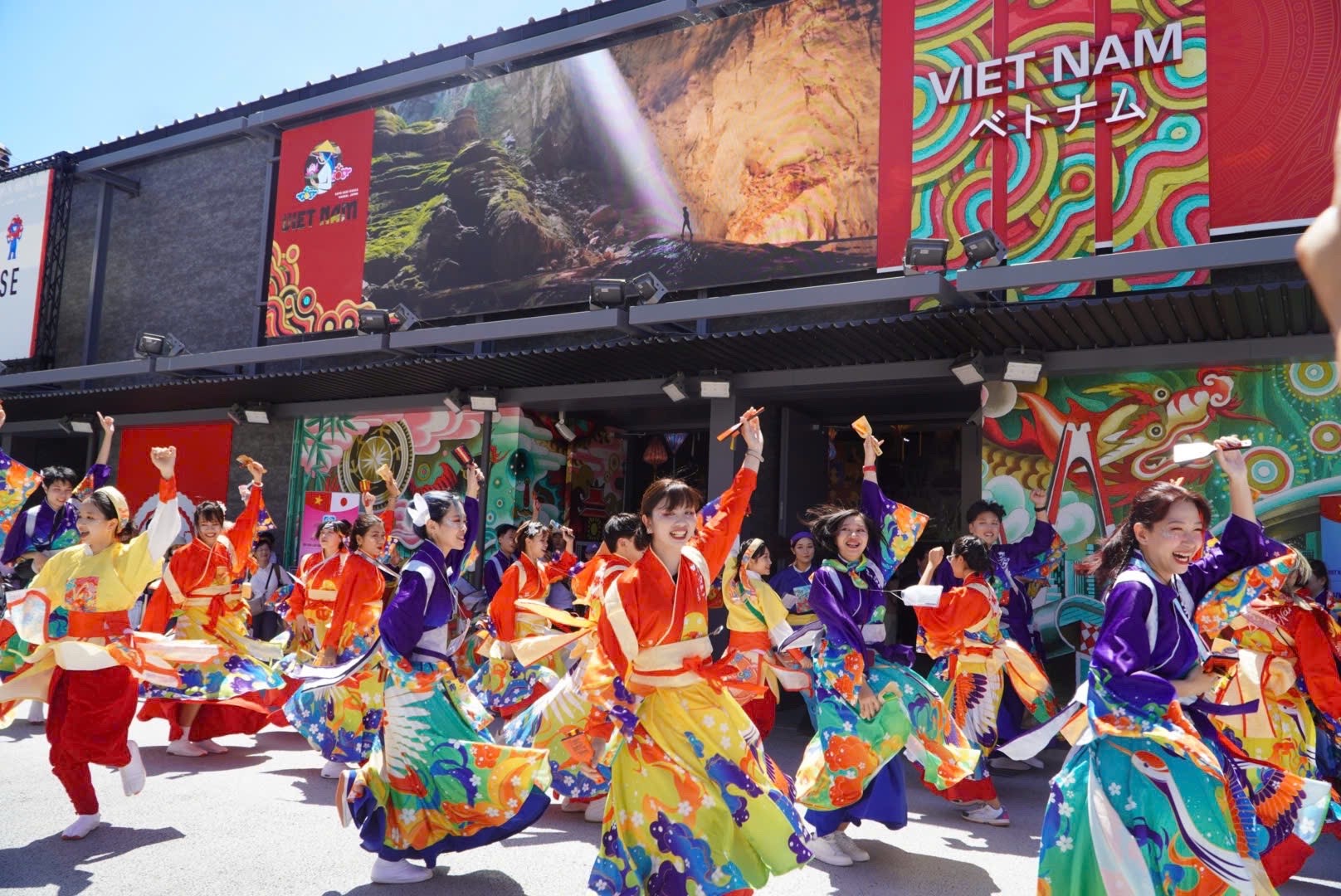
a world expo. Over six months, the Vietnam Pavilion welcomed nearly 1.7
million visitors and hosted more than 1,400 programs across culture, tourism,
and business exchange—delivering rich, immersive experiences to audiences.
As further validation, the Vietnam Pavilion received a Silver Award for
Best Exhibition Design, and the team earned a Bronze Award for Best Pavilion
Team, selected by an international jury of experience‑design advisors and
experts.
These distinctions signaled global recognition of Vietnam’s creativity, design capability, and organizational excellence in operations. The pavilion successfully combined traditional Vietnamese culture—most notably water puppetry—with interactive digital displays and other immersive technologies, creating a distinctive blend that resonated with visitors. As a result, the Vietnam Pavilion became one of the most popular pavilions at the Expo, projecting an image of Vietnam as a dynamic, innovative country grounded in a rich cultural identity.
Turning the Expo into a Deal-Making Venue — The Consulate Bridged Japan–Vietnam Business on the Ground
Q: What memorable initiatives stood out during the Expo?
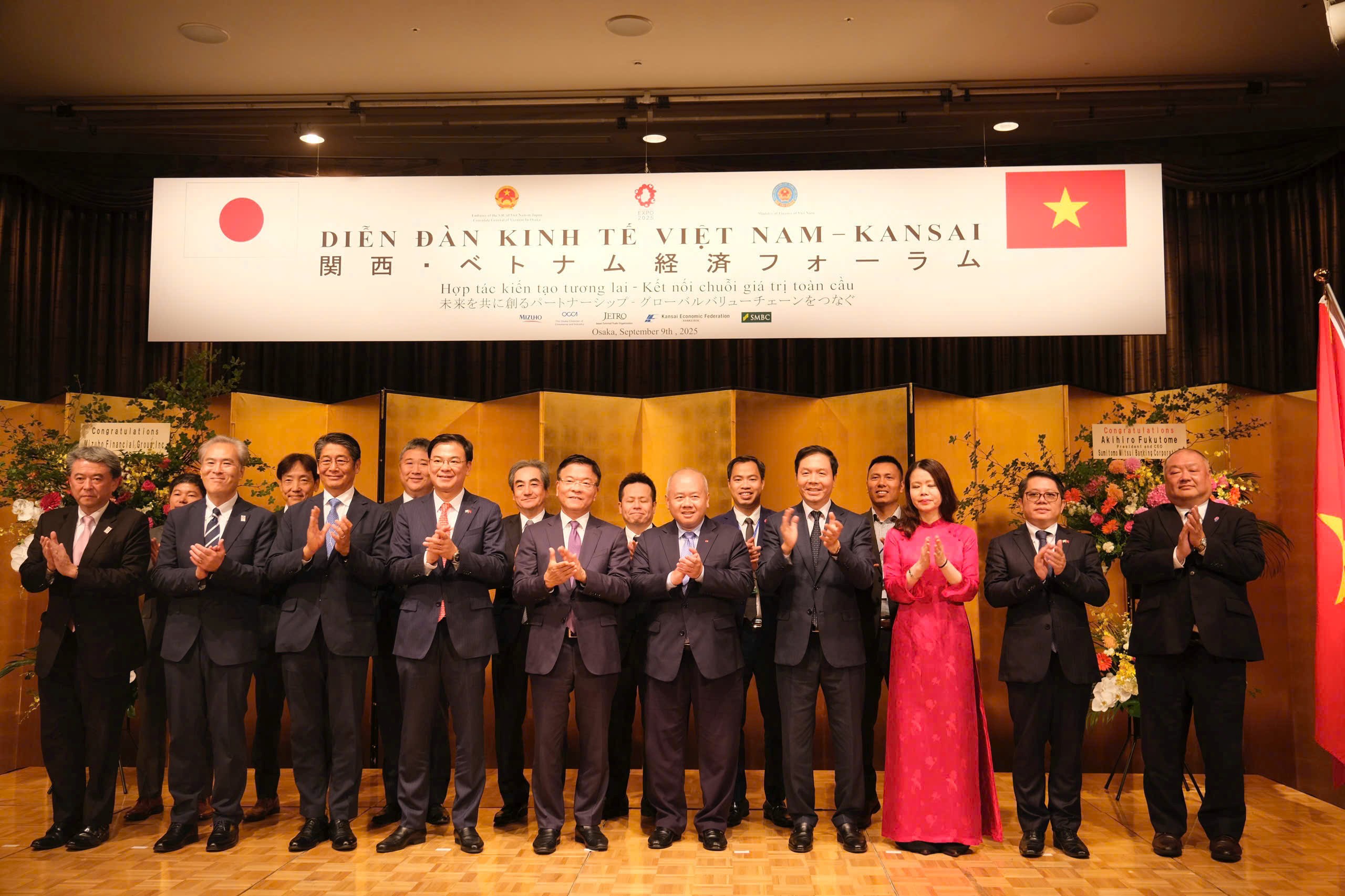
During Expo 2025, Vietnam’s participation was led by the Ministry of Culture,
Sports and Tourism as the lead authority, while the Consulate General provided
consistent support throughout the entire period. We placed particular emphasis
on economic collaboration and hosted numerous business‑focused programs,
with a notable series centered on September 9, Vietnam’s National Day.
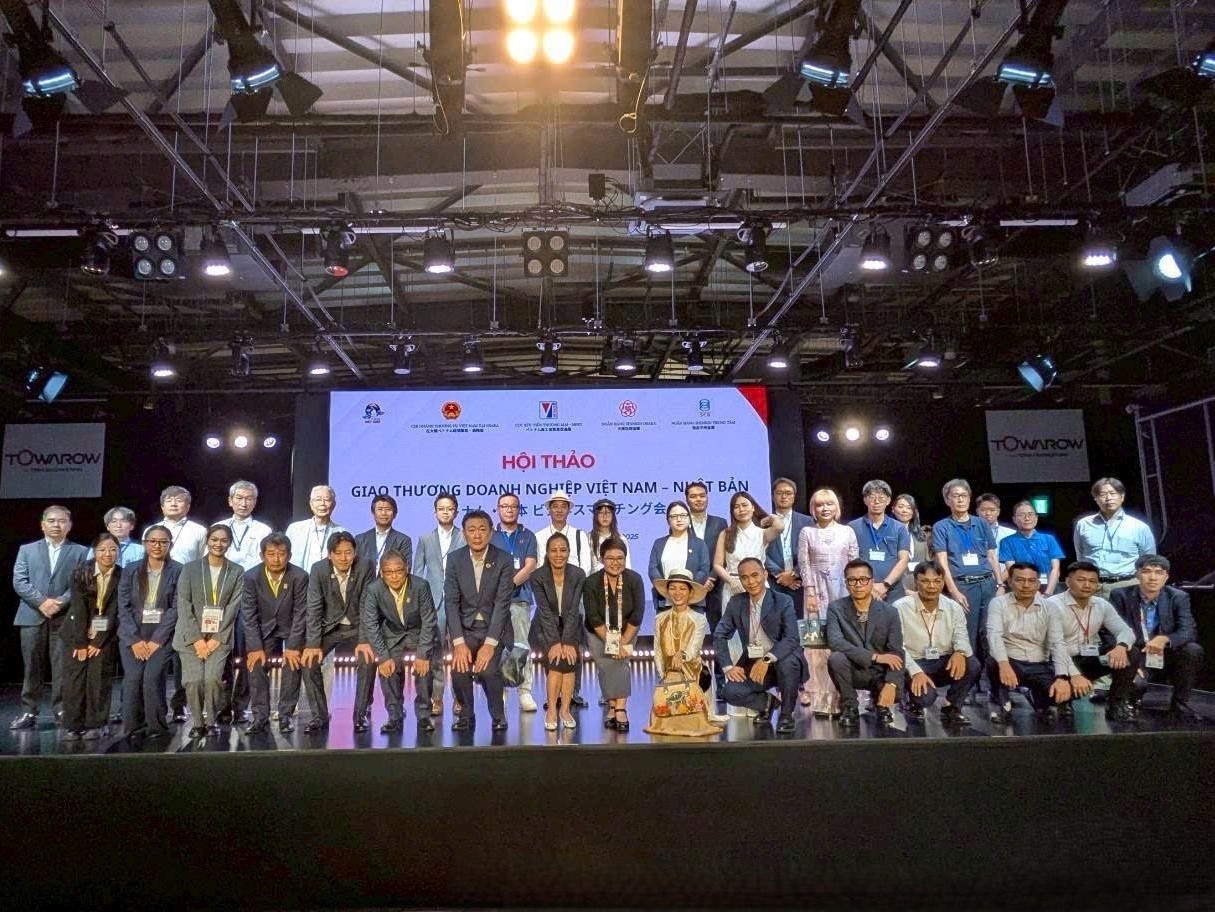
Working with a delegation led by the Ministry of Industry and Trade, and in collaboration with a Japanese Shinkin Bank, we convened a conference to promote economic cooperation and business networking between Vietnamese and Japanese firms. The Expo served as a practical international stage where companies could meet, identify potential partners, and move from initial interest to concrete relationship‑building. Some participating businesses expanded sales channels for their products during and after the events, while others connected with promising Japanese counterparts and have entered discussions toward cooperation on joint initiatives. Despite multiple related programs taking place on the same day, this networking event proved highly successful, drawing strong interest and participation from many businesses and international visitors.
Our engagement has continued beyond the Expo. Working closely with the Osaka Chamber of Commerce and Industry (OCCI), JETRO, International Business Promotion Center Osaka (IBPC Osaka), and Osaka Business Development Agency (OBDA), we have accumulated, over many years, information on the needs of Japanese companies and strive to improve the precision of matching. Building on these networks, we continue to run business networking programs across the Kansai region so that Vietnamese and Japanese companies can meet directly and explore specific collaboration opportunities.
Kansai, a Growth Hub Chosen by the World — Tracing the Next Growth Curve with Vietnam
Q: Are you planning initiatives in Kansai to promote international exchange and business?
Kansai’s strengths can be summarized in three areas. First, Kansai, home to cities such as Kyoto, Osaka, Nara, and Kobe, is recognized as a center of Japanese culture and a leading food scene. Backed by diverse cultural assets and a renowned culinary tradition, the region plays a vital role in Japan’s tourism industry and attracts large numbers of visitors year‑round. Second, Kansai is a strong industrial and innovation hub. It brings together major companies, SMEs, research institutes, and universities, and is particularly competitive in manufacturing, advanced technologies, new materials, and life sciences. Third, Kansai offers strong international connectivity, a proven record of hosting large global events, and an important hub function in Japan’s supply chains. Through the Expo, people around the world came to recognize more deeply that Kansai is a growth hub chosen by the world.
At the national level, Japan combines strengths in finance and technology with challenges in labor availability and certain production materials and components—factors that naturally heighten interest in international collaboration. Vietnam, while still developing, has abundant and diverse human resources, agricultural products, and natural resources. Taken together, these profiles are highly complementary.
Equally important is the long‑standing, on‑the‑ground business collaboration
between Kansai and Vietnam. Building on these accumulated ties, we believe
it is time to move beyond foundational themes such as trade, manufacturing,
and agriculture and step into more challenging domains—including capital
partnerships, M&A, and cross‑border e‑commerce. The Vietnamese government
is strongly focused on these new directions. Looking ahead, not only through
seminars and networking but also by developing programs and tools that
make potential matches more visible and actionable, we can elevate Kansai–Vietnam
cooperation to its next stage.
Contact Information
Ministry of Economy, Trade and Industry, Kansai Bureau
International Affairs Division
Address: 1-5-44 Otemae, Chuo-ku, Osaka, 540-8535
Phone:+81-6-6966-6031
E-Mail:bzl-kin-kokusaiinfo@meti.go.jp
 PAGE TOP