
HOME >Post-Expo Interview Series with Consulates-General and Consulates in Kansai >Alejandro DE LEON DE LA GUARDIA, Consul General of Consulate-General of the Republic of Panama in Kobe
Alejandro DE LEON DE LA GUARDIA, Consul General of Consulate-General of the Republic of Panama in Kobe
Last update:March 23,2026
Expanding Panama–Kansai Exchange from the Expo: New Forms of Cooperation Linking Environment, Economy, Maritime Affairs, and Academia
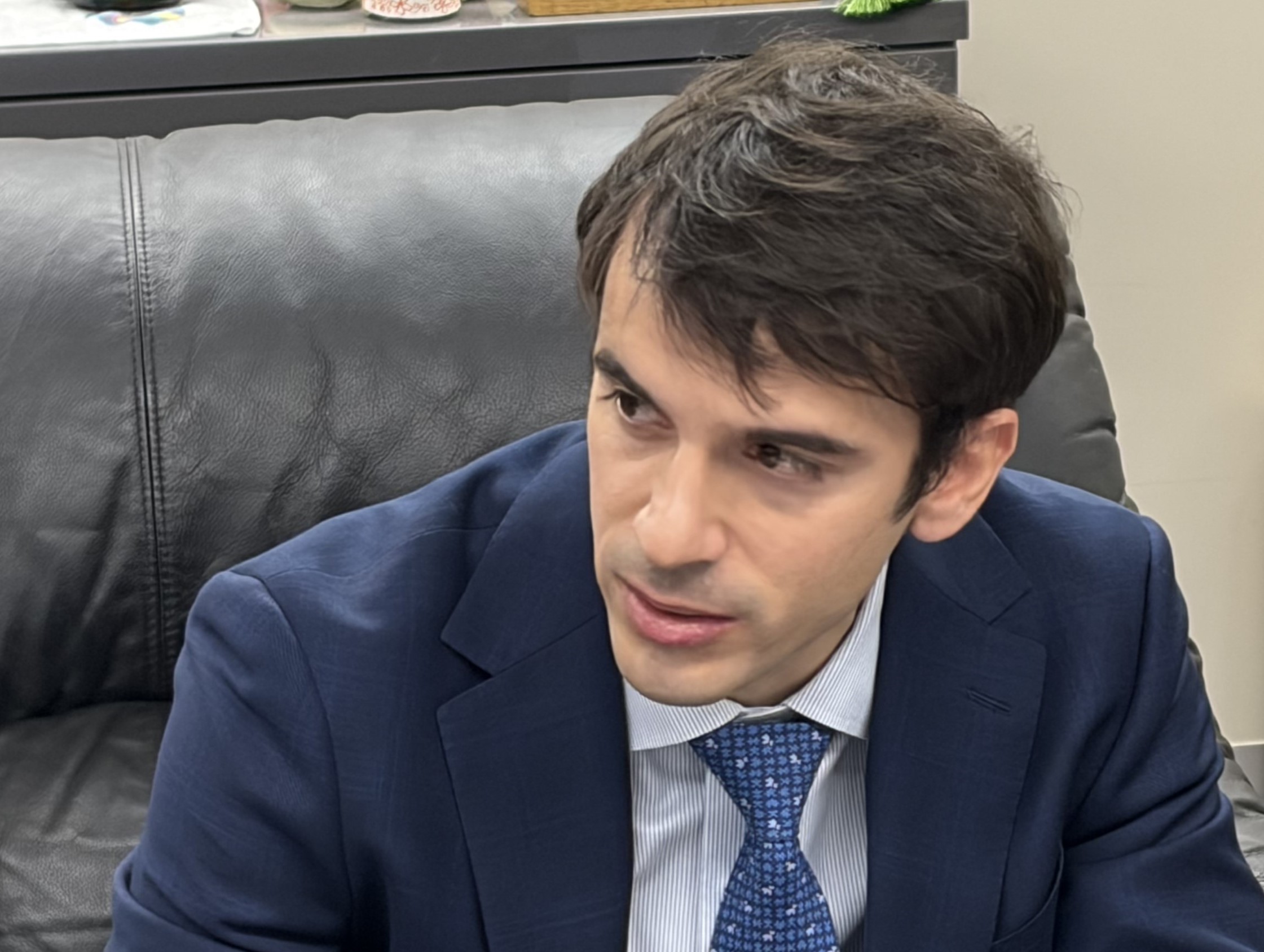
※This article is based on the interview conducted on January, 2026.
※The photographs used in this article were provided by Consulate-General of the Republic of Panama in Kobe.
Demonstrating Leadership as One of the World’s Leading Carbon-Negative Countries
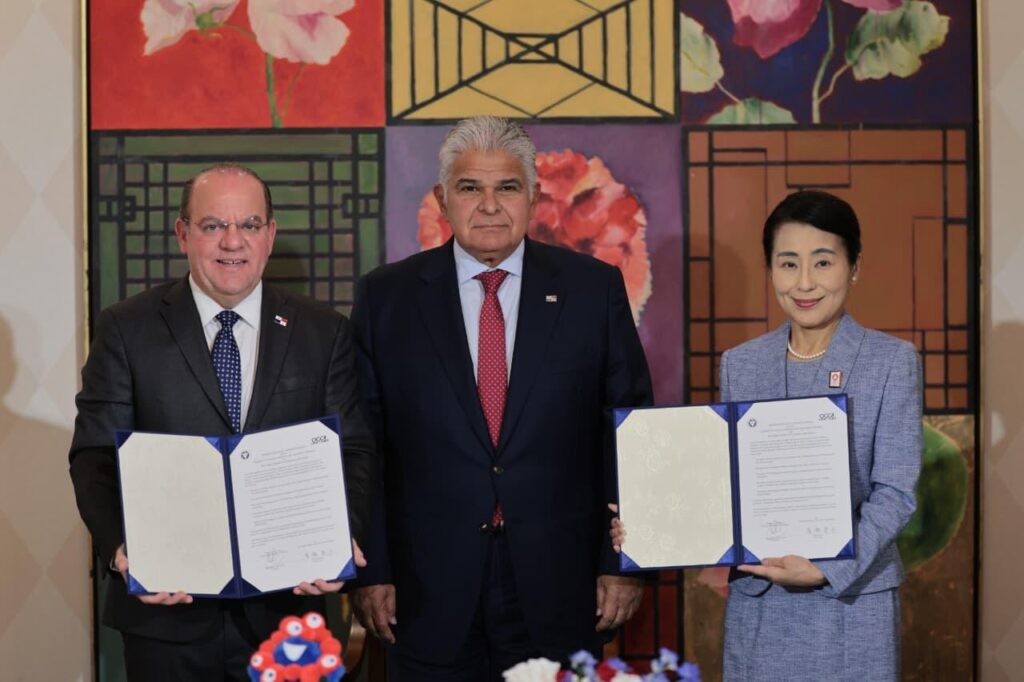
Q: What was the most important outcome during the Expo?
The most significant achievement was the signing of a memorandum of understanding on September 6—Panama’s National Day—between the Chamber of Commerce of Panama and the Osaka Chamber of Commerce and Industry, witnessed by President José Raúl Mulino. We had built a cordial relationship with the Osaka Chamber through courtesy visits and exchanges, and drawing on the chamber’s experience concluding MOUs with overseas counterparts, we began exploring a similar arrangement for Panama. The Expo provided an ideal international platform, and being able to formalize this partnership was a major accomplishment.
Located within the shared “Commons-C” pavilion, the Panama Pavilion welcomed
more than 3.8 million visitors and received the Gold Award for exhibition
design in the “Saving Lives” zone from the Bureau International des Expositions.
This honor will remain a milestone in Panama’s long history of participation
in World Expos. In addition to showcasing the appeal of the Panama Canal,
our rich cultural heritage, and breathtaking natural landscapes, the pavilion
aligned with the Expo’s overall theme by communicating that Panama is one
of the world’s few carbon-negative countries—absorbing and removing more
CO₂ than it emits. By presenting initiatives for ecosystem and biodiversity
conservation and efforts to safeguard life across the region, we were also
able to demonstrate Panama’s international leadership in environmental
stewardship. We believe these efforts inspired many visitors to develop
a stronger interest in visiting Panama.
A Roundtable on Coffee and Cacao with Eight Latin American and Caribbean Countries
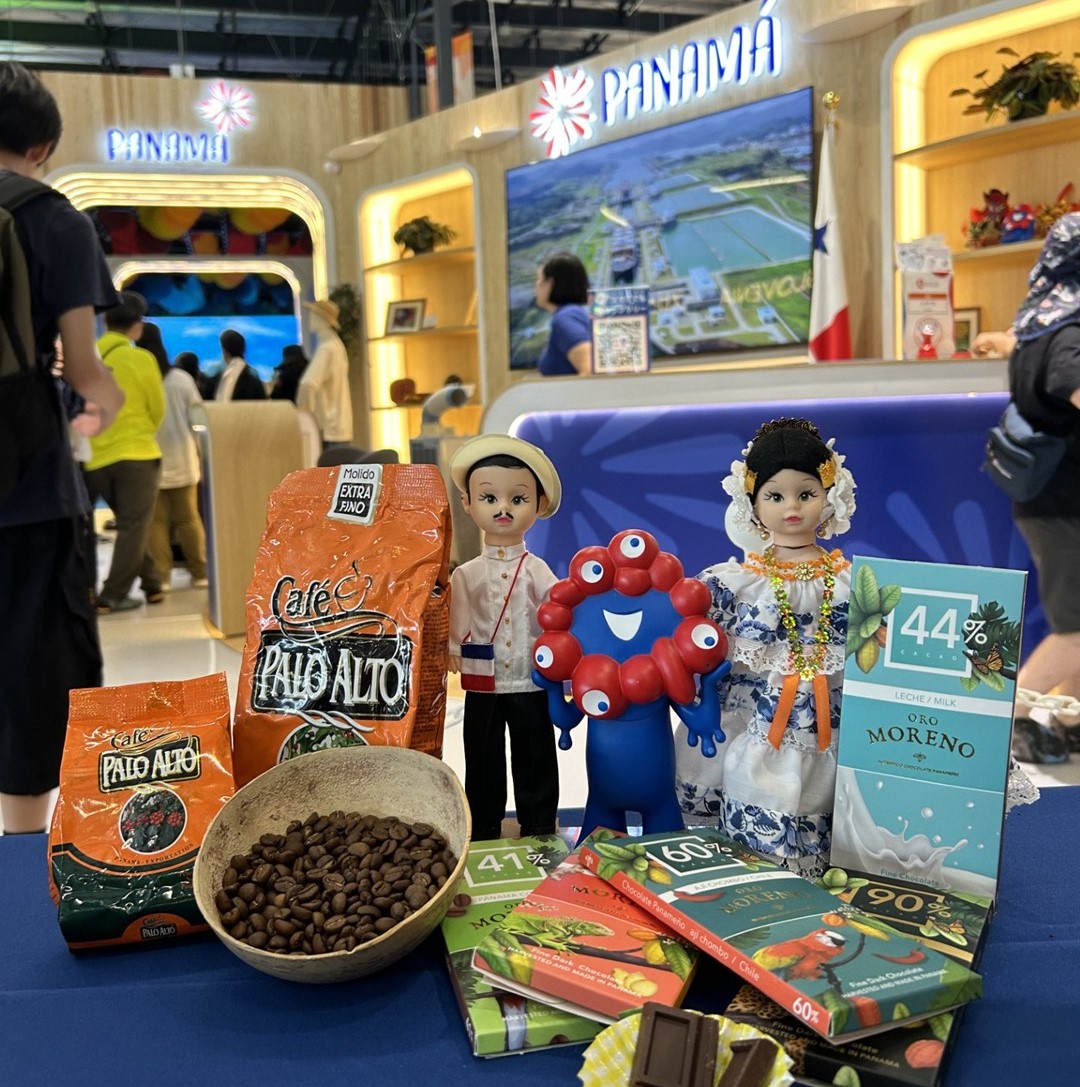
Q: Could you share any memorable episodes or initiatives from the Expo?
Our National Day was especially memorable. Tsugishishi—a traditional lion-dance from Imabari in which performers create a towering lion figure by standing atop one another—was performed alongside Panamanian traditional dance, deepening the friendship between our communities. The performance was both beautiful and powerful, leaving a strong impression of the cultural heritage we cherish.
Throughout the Expo, we also highlighted various aspects of daily life and culture, including food traditions centered on coffee and cacao, as well as clothing and housing. A particular highlight was a roundtable on coffee and cacao that brought together experts from eight Latin American and Caribbean countries—Belize, Bolivia, Colombia, Cuba, the Dominican Republic, Guatemala, Panama, and Peru. Through guided tastings, presentations of sustainable innovation, and exchanges of economic perspectives, the program explored the cultural and economic significance of these industries. These efforts allowed us to convey effectively to diverse audiences the importance of our culture and economy within the global community.
In the latter half of the Expo, we presented numerous cultural performances both at the Panama Pavilion and on other stages throughout the venue. In total, Panama delivered more than 35 showcases featuring traditional folkloric dances and national costumes. With each performance, the number of admirers grew, and we later received heartfelt letters and messages of appreciation. The sincere curiosity and respect shown by visitors in Japan further strengthened the cultural ties between Panama and Japan.
From the World’s Leading Ship Registry to Economic and Academic Collaboration: Expanding Partnerships with Kansai
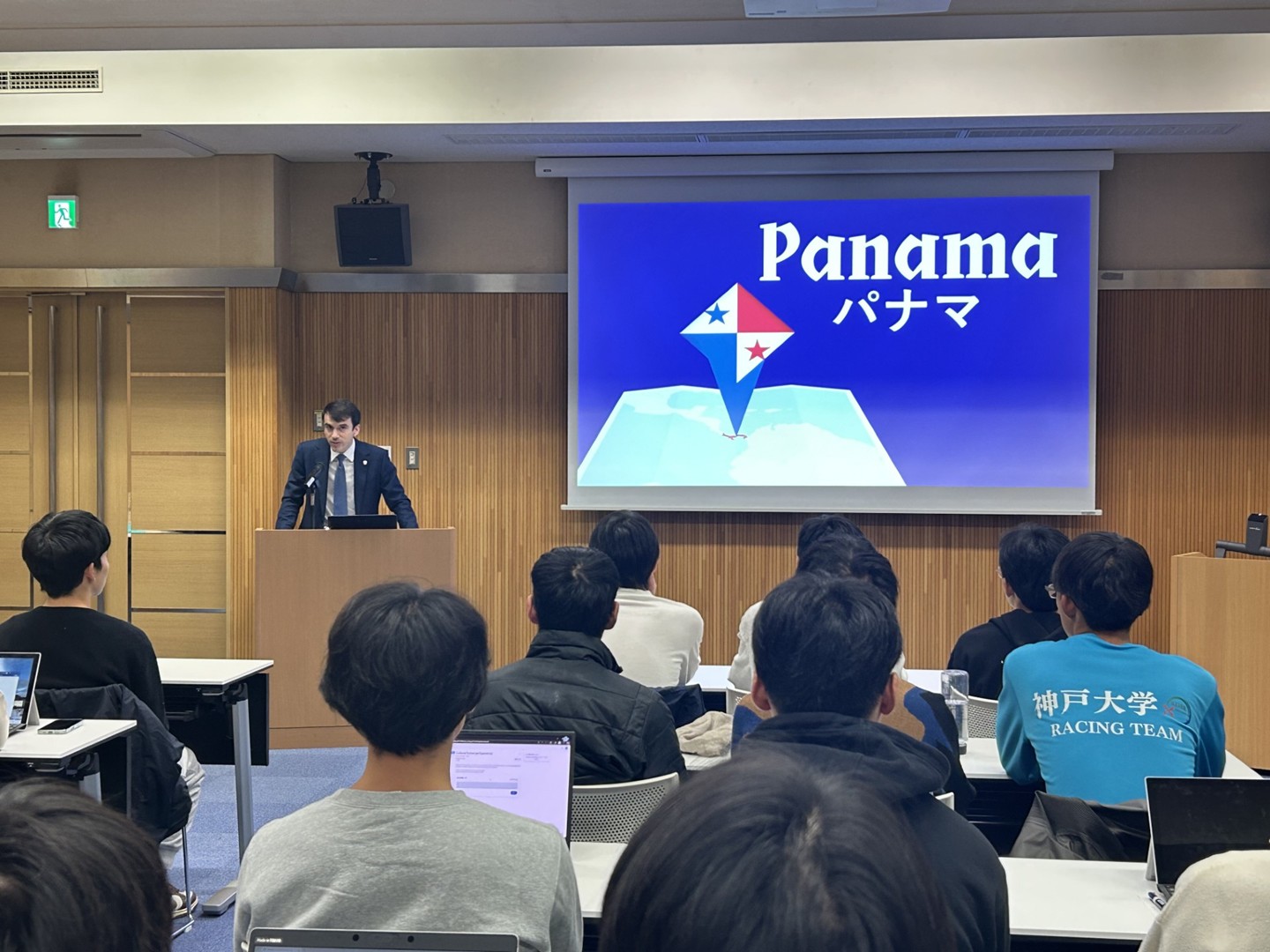
Q: Are you planning initiatives in Kansai to promote international exchange or business?
The Expo demonstrated Kansai’s remarkable potential as a host for international
mega-events. In addition to convenient air access—just about an hour’s
flight from Tokyo—the region offers excellent urban infrastructure, including
a wide range of accommodations and an efficient metro network, providing
a seamless environment for large-scale events. Kansai’s rich tourism resources
and the friendly, welcoming nature of its people are also major attractions.
Furthermore, the region’s close access to corporate leaders and its smooth
coordination with local governments and economic organizations make it
an exceptionally appealing place for advancing international business.
We hope to continue strengthening our relationship with Kansai across a
broad range of fields.
A key foundation for deepening this collaboration is the MOU signed between the Chamber of Commerce of Panama and the Osaka Chamber of Commerce and Industry. Under this framework, we will enhance the promotion of Panamanian products—such as coffee, chocolate, and fruit—while also supporting Panamanian companies interested in importing Japanese goods. Academic cooperation is also progressing steadily: exchanges are advancing between Panama Columbus University and Kobe University, and between the Technological University of Panama and Osaka University.
In the port sector, MOUs have been concluded with both Osaka Port and
Kobe Port, and preparations are underway for events to promote port-related
cooperation. Given the maritime industry’s importance to Panama, we look
forward to conducting site visits and exchanges with maritime stakeholders
in Kansai, working closely with them to understand their needs and explore
further opportunities for collaboration. Japanese shipbuilding plays a
vital role globally, and as the world’s largest ship registry we are committed
to continually enhancing our services to remain at the forefront of the
industry.
Although Panama is a small country, it continues to develop steadily.
To achieve further growth, we wish to learn from diverse knowledge and
experience through opportunities for dialogue and exchange such as those
provided by the Expo. Our long-standing relationships with Japan—and with
the Kansai region in particular—are invaluable assets. We hope to deepen
these ties even further and build sustainable, mutually beneficial cooperation
by leveraging our respective strengths.
Contact Information
Ministry of Economy, Trade and Industry, Kansai Bureau
International Affairs Division
Address: 1-5-44 Otemae, Chuo-ku, Osaka, 540-8535
Phone:+81-6-6966-6031
E-Mail:bzl-kin-kokusaiinfo@meti.go.jp
 PAGE TOP