
HOME >Post-Expo Interview Series with Consulates-General and Consulates in Kansai >Filippo MANARA, Consul General of Consulate-General of Italy in Osaka
Filippo MANARA, Consul General of Consulate-General of Italy in Osaka
Last update:March 12,2026
From Seeds Sown at the Expo to a Full Bloom — The Next Stage for Italy and Kansai
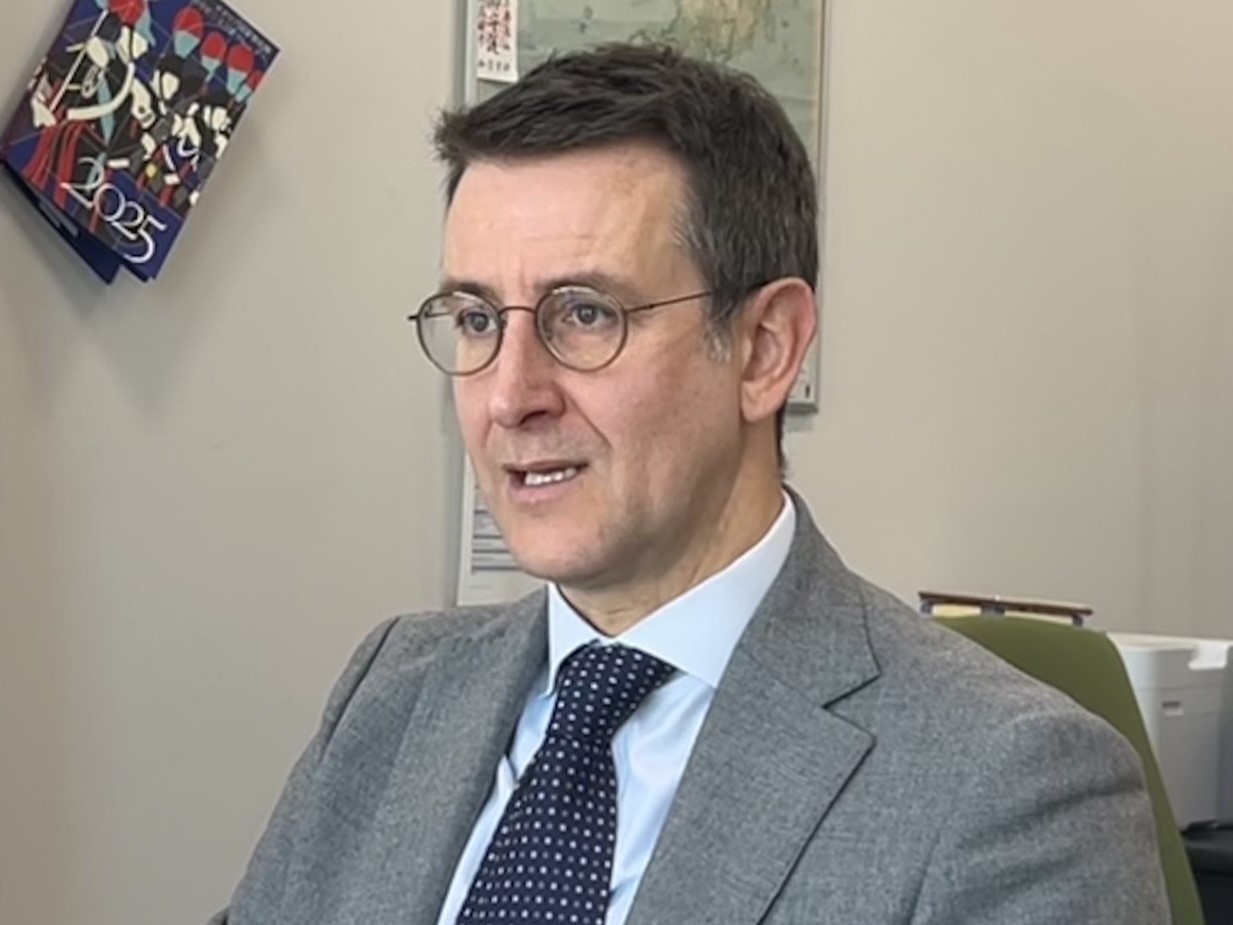
※This article is based on the interview conducted on January, 2026.
※The photographs used in this article were provided by the Consulate-General of Italy in Osaka.
From Expo 2025 Osaka, Kansai to Milan–Cortina 2026, and on to the Future — Passing the Legacy Forward
Q: What was the most important outcome during the Expo period?
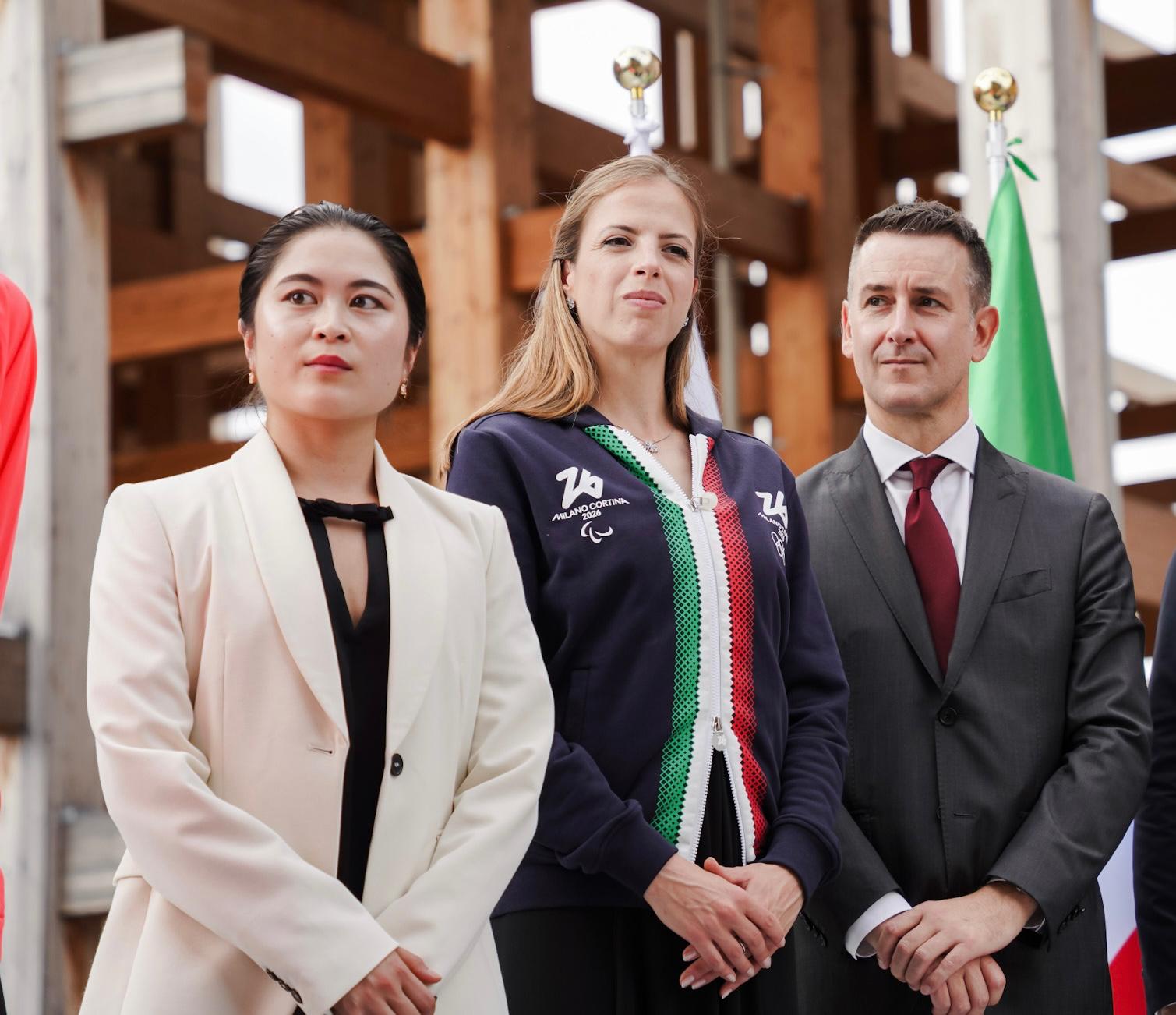
The special program presented at the October 13 closing ceremony—focused on the Milan–Cortina 2026 Winter Olympics—became a profoundly symbolic finale to the remarkable journey of the Expo. With renowned athletes from both Italy and Japan participating, it powerfully demonstrated the possibilities of international exchange and diplomacy through sports. The ice performance by young skaters from Kansai University captivated the entire audience, carrying hopes forward toward the next global stage—the Olympic Games.
The initiative was led by the Consulate General of Italy in Osaka, with the full cooperation of the Italy Pavilion. By actively taking on the role of passing the baton from Japan to Italy, we were able to embody a legacy that links the Osaka–Kansai Expo to the Winter Olympics and extends beyond 2026 into the future.
Cultural programs during the Expo period were also notable. In August,
at the Italian Pop Music Festival held at EXPO Arena “Matsuri,” a venue
that accommodates around 10,000 people, the atmosphere was electric, and
many visitors in Japan were singing along in Italian.
On September 12, Italy’s National Day, H.E. Alessandro Giuli, Minister
of Culture, attended the ceremony, at which a special performance by the
orchestra of the Rome Opera House and a ballet by the La Scala Ballet Academy
were presented. Held at EXPO Hall “Shine Hat,” the largest arena at the
Expo site, all 2,000 seats were filled, with standing room only. Presenting
such a wide range of artistic expression—from classical to modern—left
a strong impression that the Expo creates opportunities for visitors to
engage and participate.
Where Culture and Economy Intersect — How Business Collaboration Emerged
Q: Could you share any memorable episodes or initiatives?
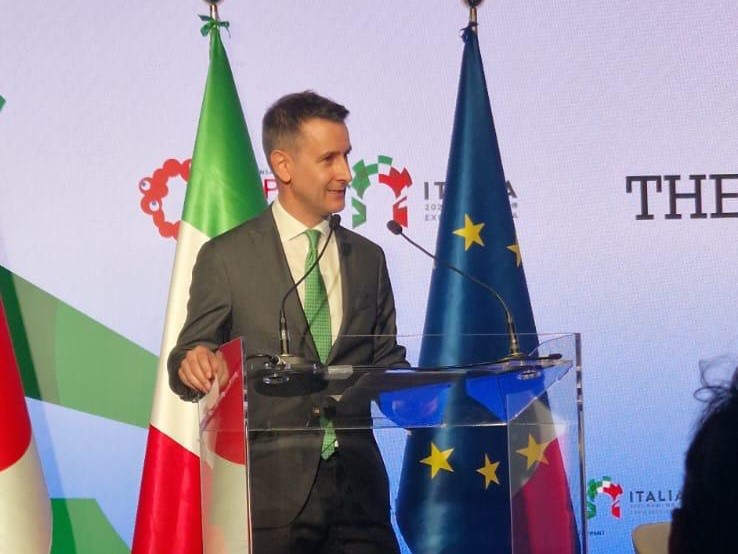
Turning to opening day, one episode stands out. At the opening ceremony, H.E. Antonio Tajani, Vice-President of the Council of Ministers and Minister of Foreign Affairs and International Cooperation, attended. With a view to Milan–Cortina 2026, the Olympic flame was entrusted to the Italy Pavilion for display throughout the Expo. That same day, as part of Italy’s export and internationalization strategy, an action plan prioritizing the Asia–Pacific market (ASIA-PACIFIC FOCUS) was publicly presented to Italian companies. This was a clear statement that Italy would position the Expo not merely as a stage for cultural presentation but as a platform to foster partnerships among companies, promote investment and joint research, and deliver outcomes on the business front.
Under this approach, a range of Japan–Italy business-related events were held during the period. Each event featured speakers from both Japan and Italy by design, and the programs emphasized two-way engagement—enabling Japanese companies to speak candidly from first-hand experience about both the benefits of collaborating with Italy and the challenges.
In addition, the Italy Pavilion served not only as a venue for art, culture,
and music; it intentionally mixed advanced initiatives in life sciences,
high tech, energy, and sustainability. This conveyed the message that fields
that may appear separate in fact intersect within a single, connected world.
For example, Perugino’s paintings and the Farnese Atlas were presented
immediately alongside aerospace technologies, and visitors could view Tintoretto’s
Portrait of Itō Manshō while at the same time encountering the latest image-analysis
technologies developed by Italian pharmaceutical and medical-device companies.
We believe that this intertwined presentation of culture and industry was
one reason the pavilion was so highly regarded by visitors. As a result
of these efforts, during the Expo concrete cooperation took shape across
a wide range of fields, including investment, trade, joint research, and
inter-university exchange.
SME Collaboration — A Shared and Important Priority for Italy and Kansai
Q: Do you have plans in Kansai to promote international exchange and business?
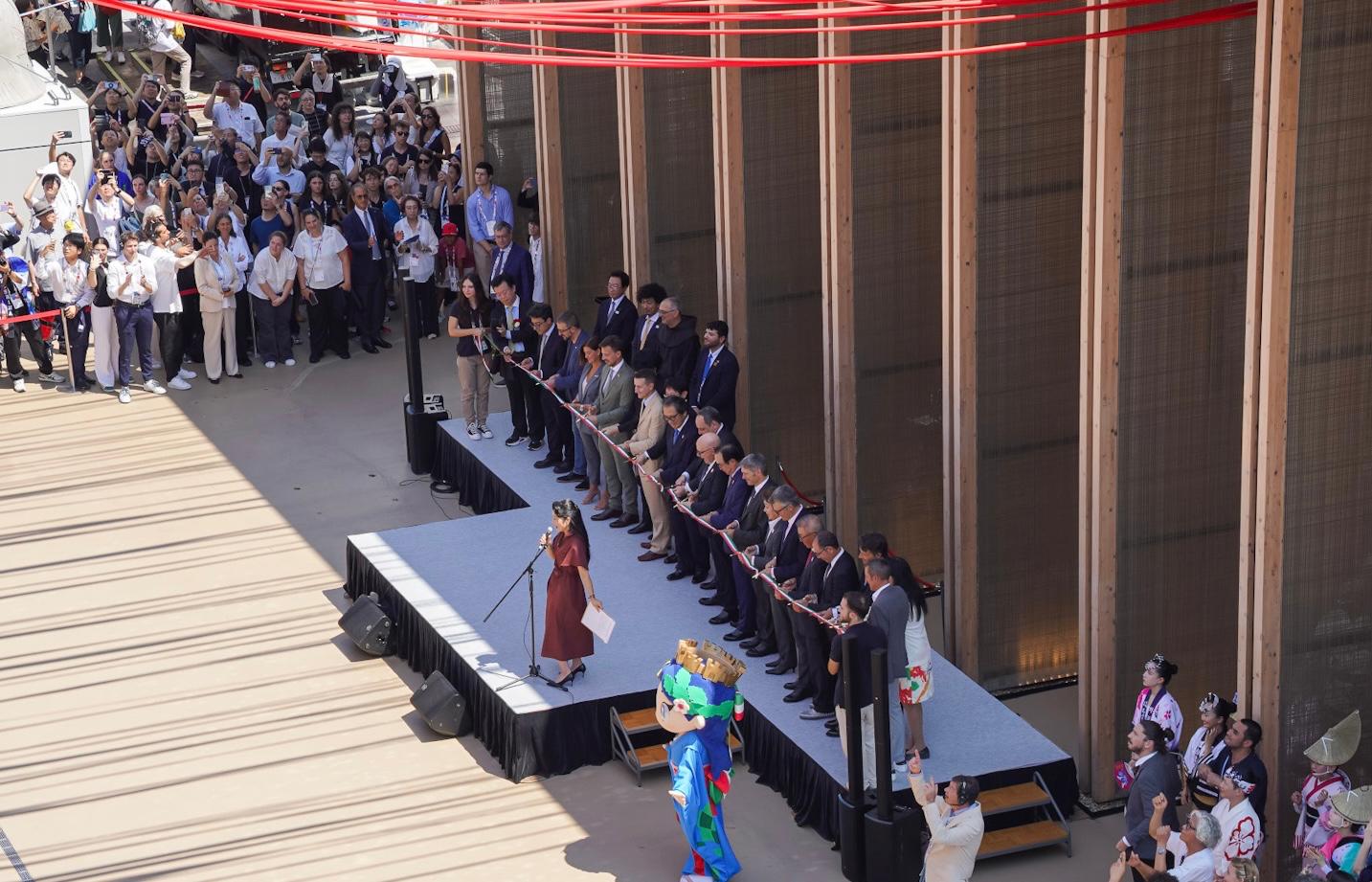
The year 2026 will mark two major milestones: the 160th anniversary of Japan–Italy diplomatic relations and the 45th anniversary of the sister city partnership between Milan and Osaka. Taking this opportunity, we are planning a variety of events. In spring, we will hold programs related to the life sciences and medical fields; in autumn, in Kyoto, we are preparing a Japan–Italy university collaboration focused on preventive medicine and biomedical engineering. Several more initiatives are also being prepared. In cooperation with the Consulate General of Japan in Milan and relevant organizations in both cities, we will work to promote international exchange and practical collaboration.
These efforts are based on the premise that Kansai offers a highly favorable
environment for advancing partnerships with international counterparts.
Kansai has strengths in life sciences, innovation, and high tech, while
Italy enjoys global competitiveness in fashion, food, and wine. Going forward,
we intend not only to strengthen trade in these areas but also to deepen
cooperation in technology and industry. In particular, because Italy and
Kansai share the characteristic of economies supported by small and medium-sized
enterprises, we believe that steadily building SME-to-SME linkages through
practical and sustainable collaboration is a crucial approach. In fact,
during the Expo, both nationwide economic organizations and many regional
business institutions and companies from across Italy visited Kansai, and
there are many themes that align well with their initiatives.
Through the Expo, we planted many seeds. Whether those seeds grow and
flourish will depend on our efforts from here. This may be the most challenging
phase, but together with partners across Kansai, we will carry out the
essential follow-up, ensuring that the soil does not dry out by providing
water and fertilizer, so that these efforts can ultimately blossom into
something meaningful and lasting.
Contact Information
Ministry of Economy, Trade and Industry, Kansai Bureau
International Affairs Division
Address: 1-5-44 Otemae, Chuo-ku, Osaka, 540-8535
Phone:+81-6-6966-6031
E-Mail:bzl-kin-kokusaiinfo@meti.go.jp
 PAGE TOP