
HOME >Post-Expo Interview Series with Consulates-General and Consulates in Kansai >CHANDRU Appar, Consul General of Consulate-General of India in Osaka-Kobe
CHANDRU Appar, Consul General of Consulate-General of India in Osaka-Kobe
Last update:April 13,2026
India and Kansai, the Next Ten Years — New Bridges Forged by the Expo
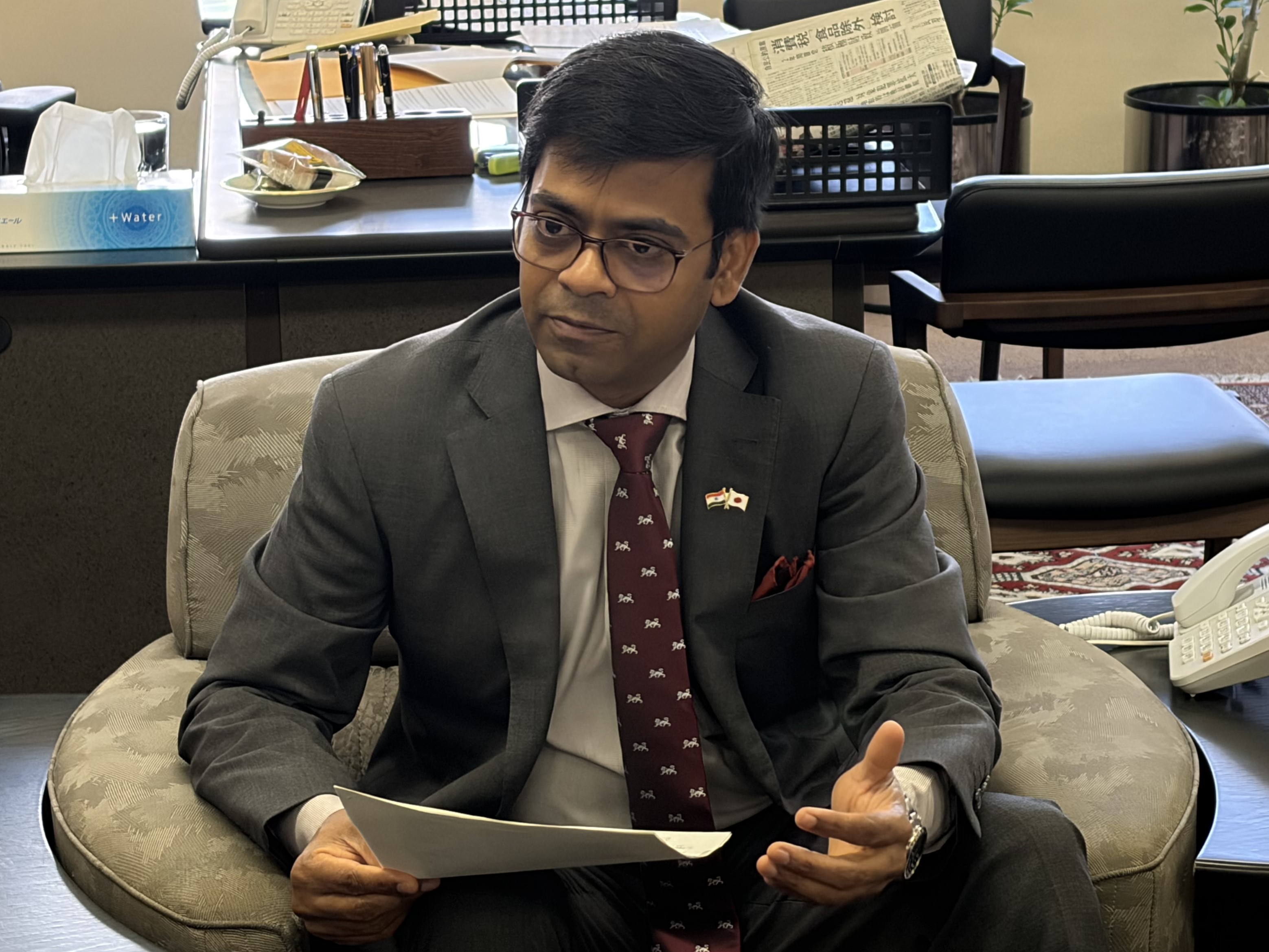
※This article is based on the interview conducted on February, 2026.
※The photographs used in this article were provided by the Consulate-General of India in Osaka-Kobe.
The Expo That Brought a Dramatic Deepening of Japan–India Relations
Q: What was the most important outcome during the Expo?
The Expo gave new momentum to the Japan–India partnership. Cooperation that would normally have taken years advanced within just six months, and the speed of engagement rose sharply. In August, H.E. Mr. Narendra Modi, Prime Minister of India, visited Japan, and a Japan–India Summit Meeting produced numerous outcome documents to deepen the Special Strategic and Global Partnership. These set the direction for cooperation over the next decade and further strengthened the bilateral relationship. We regard this as an important diplomatic achievement enabled by the Expo.
In practice, many business delegations from India visited Kansai and held intensive exchanges with local industries, generating spillover effects across Japan as well. This progress was supported by close collaboration with regional economic organizations such as the Osaka Chamber of Commerce and Industry, the Kansai Japan India Association, the Indian Chamber of Commerce-Japan, and the Japan-India Cultural and Economic Center. Their networks played a major role in advancing these exchanges.
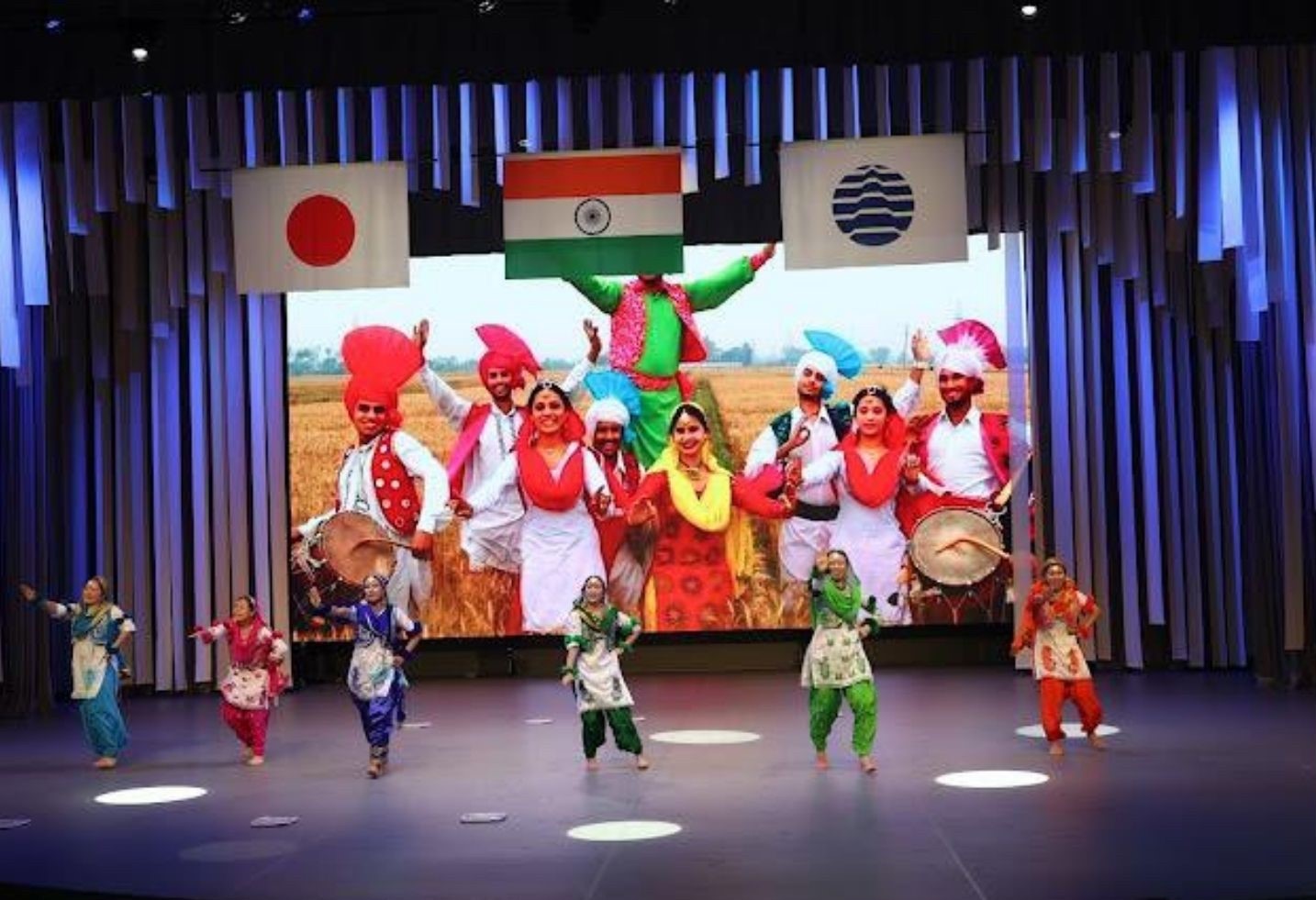
In the fields of culture and wellness, the Expo also created many opportunities that brought Japan and India even closer. At the India Pavilion, three to four cultural performances were held daily, allowing visitors to experience a broad spectrum of traditions—from classical dance to Bollywood. We also placed strong emphasis on yoga and Ayurveda; two yoga sessions were held every day, and more than 18,000 people participated in total. The many requests for continuation after the Expo demonstrate the trust fostered through these experiences.
In short, across politics, the economy, culture, and people‑to‑people ties, initiatives were concentrated and advanced at Shinkansen speed over six months..
Cultural Exchange and Business Exchange, Intertwined Beyond Expectations
Q: Could you share any memorable episodes or initiatives?
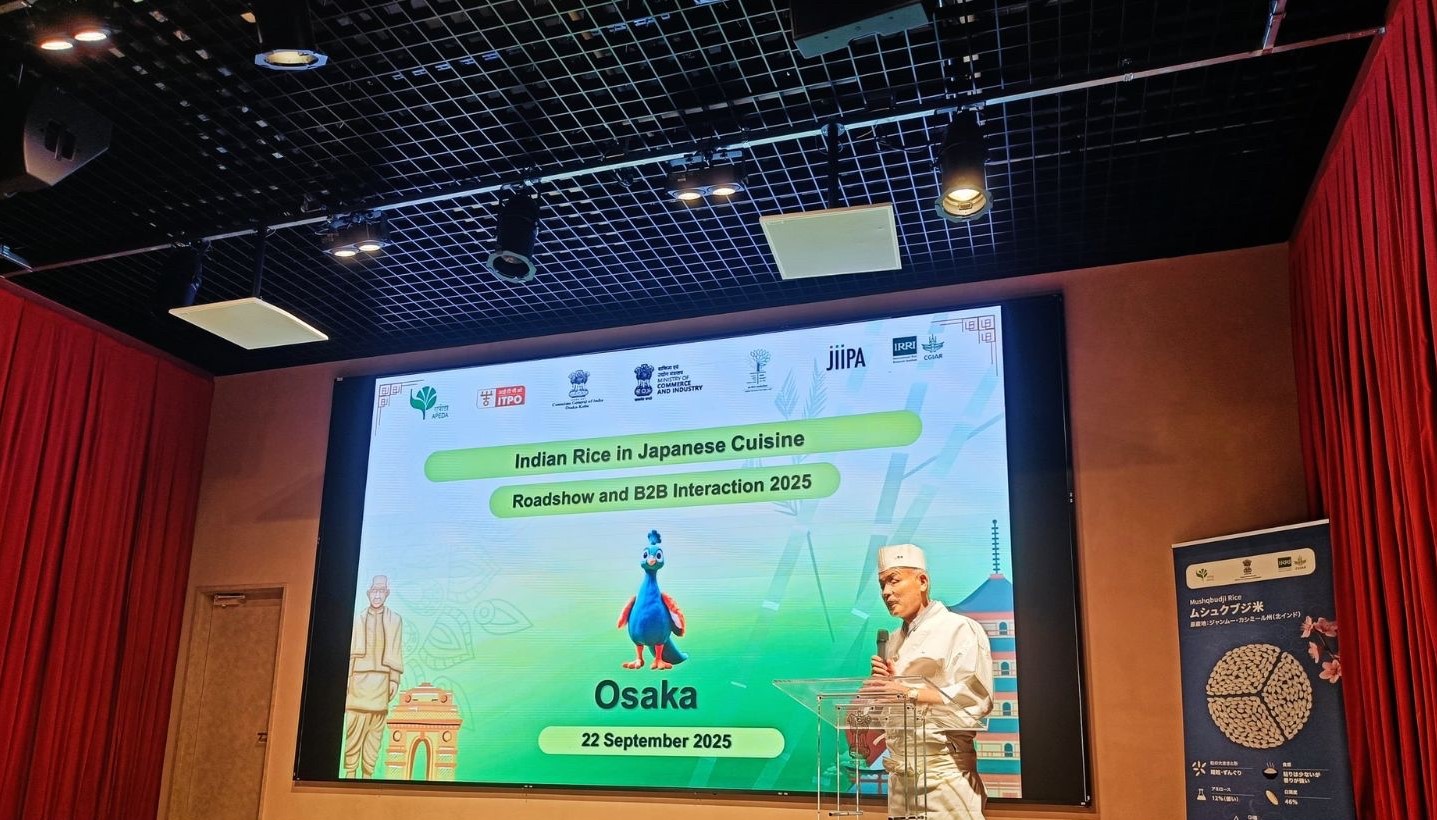
At this Expo, cultural and business exchange complemented one another and opened new possibilities for Japan–India relations. One striking initiative was a unique attempt to make sushi using Indian rice. With multiple varieties supplied by the Agricultural and Processed Food Products Export Development Authority (APEDA), Japanese chefs prepared nigiri sushi at the India Pavilion using Japanese cooking methods. The combination—ingredients from India and techniques from Japan—drew visitors’ attention and received highly positive reactions such as “the difference in taste is interesting” and “it is delicious.” Beyond its significance as cultural exchange, this initiative also demonstrated broader economic potential, including prospects for rice imports and Japan–India joint business projects—clearly showing how cultural activities can lead naturally to business opportunities.
The National Day on 15 August was also memorable. Japanese artists/enthusiasts performed Indian music and dance at a high level, eliciting admiration from Indian spectators. What was expressed on stage was not a simple performance but genuine understanding and respect that transcended language and culture, providing a powerful sense that cultural exchange had brought people closer together.
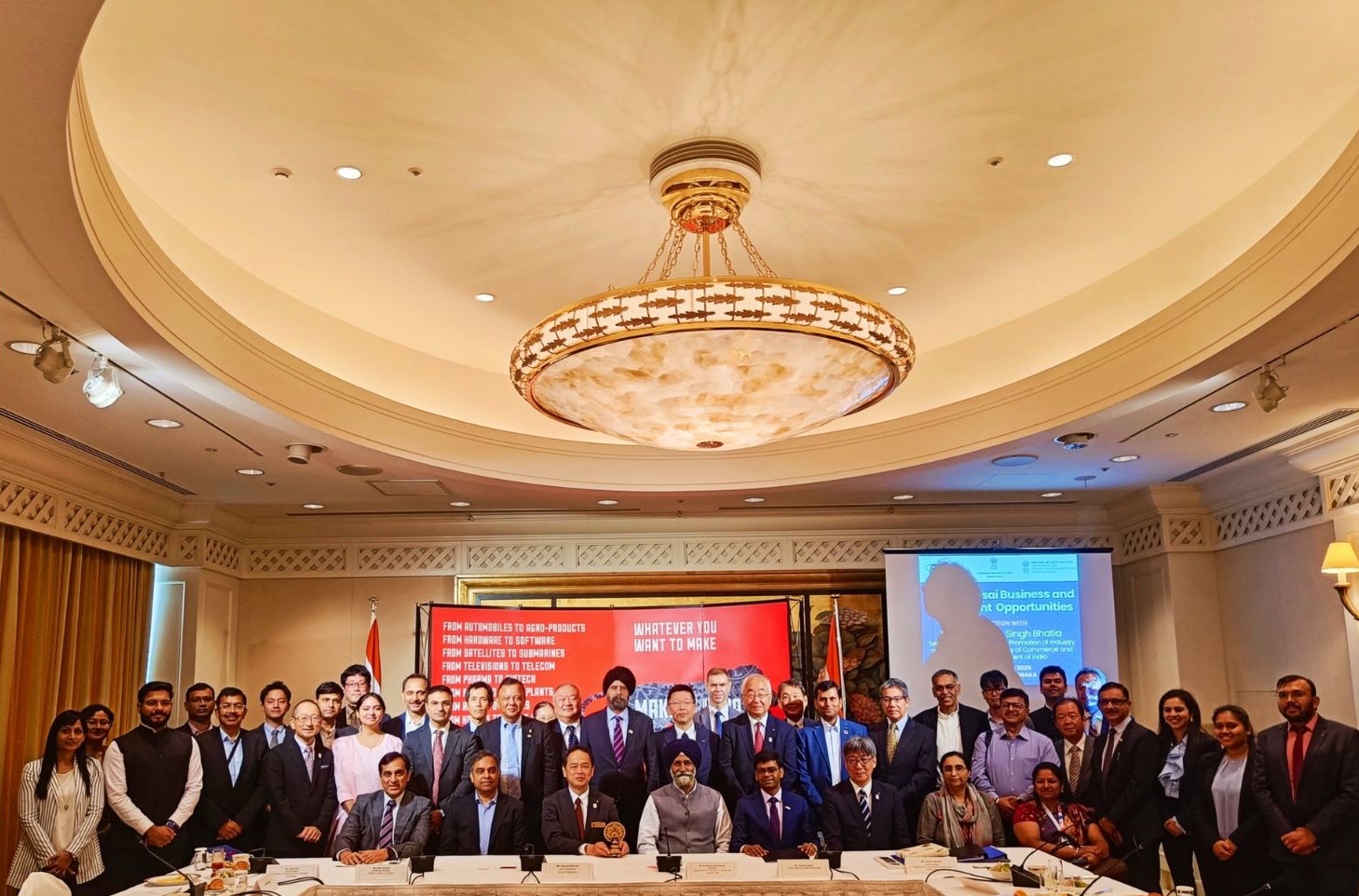
In parallel with this cultural momentum, more than 200 business events were actively held during the Expo. In conjunction with visits by delegations from the Confederation of Indian Industry (CII) and the Federation of Indian Chambers of Commerce and Industry (FICCI), as well as by the Finance Minister of Uttar Pradesh, we organized seminars not only at the Pavilion but also at separate venues in Osaka. Working closely with the Osaka Chamber of Commerce and Industry and JETRO, we conducted sector‑focused business matching in fields such as manufacturing, healthcare, and SMEs, and incorporated arrangements throughout each program to ensure that visitors could experience Kansai’s strengths firsthand. Taken together, these efforts enabled visitors to gain a deep understanding of Kansai and led to outcomes that exceeded expectations.
The Future of India–Kansai SME Collaboration — Reducing Noise and Conveying Accurate Information Is Key
Q: Are you planning initiatives in Kansai to promote international exchange and business?
Kansai has a diverse and competitive industrial base in areas such as healthcare, precision processing, and—depending on the locality—semiconductors and electronics, with a particularly strong concentration of outstanding SMEs. Precisely because these strengths are in place, we aim to nurture new business opportunities between India and Kansai. In this sense, it is highly meaningful that the Japan–India Joint Vision for the Next Decade, adopted by both leaders in August, includes promoting regional development through the India–Kansai Business Forum and launching a Japan–India SME Forum. While exchanges between the two countries have long been active, especially among large companies, the role of SMEs will become even more important in the coming decade. For Kansai, given its strong base of SMEs, this will be a significant boost.
Reflecting the new momentum in India–Kansai engagement, we have been holding at least two seminars every month in Kansai. In parallel, we are advancing three pillars: information outreach in collaboration with relevant organizations and industries; the creation of business opportunities through targeted business matching; and individual visits to regional companies. We will continue to communicate that India today is not the India of yesterday, doing so clearly and consistently.
What we place particular emphasis on is reducing noise and delivering accurate information. India is highly diverse, and language, culture, values, and industrial structures differ greatly by region. Rather than grouping India under a single image, the key to promoting business between Japan and India is to focus on specific regions and present precise information. Looking ahead, by advancing cooperation centered on business collaboration from this perspective, we expect natural expansion into areas such as education, human resource development, and people‑to‑people exchange. As a result, over the next five to ten years, the relationship between India and Kansai is expected to deepen further.
Contact Information
Ministry of Economy, Trade and Industry, Kansai Bureau
International Affairs Division
Address: 1-5-44 Otemae, Chuo-ku, Osaka, 540-8535
Phone:+81-6-6966-6031
E-Mail:bzl-kin-kokusaiinfo@meti.go.jp
 PAGE TOP